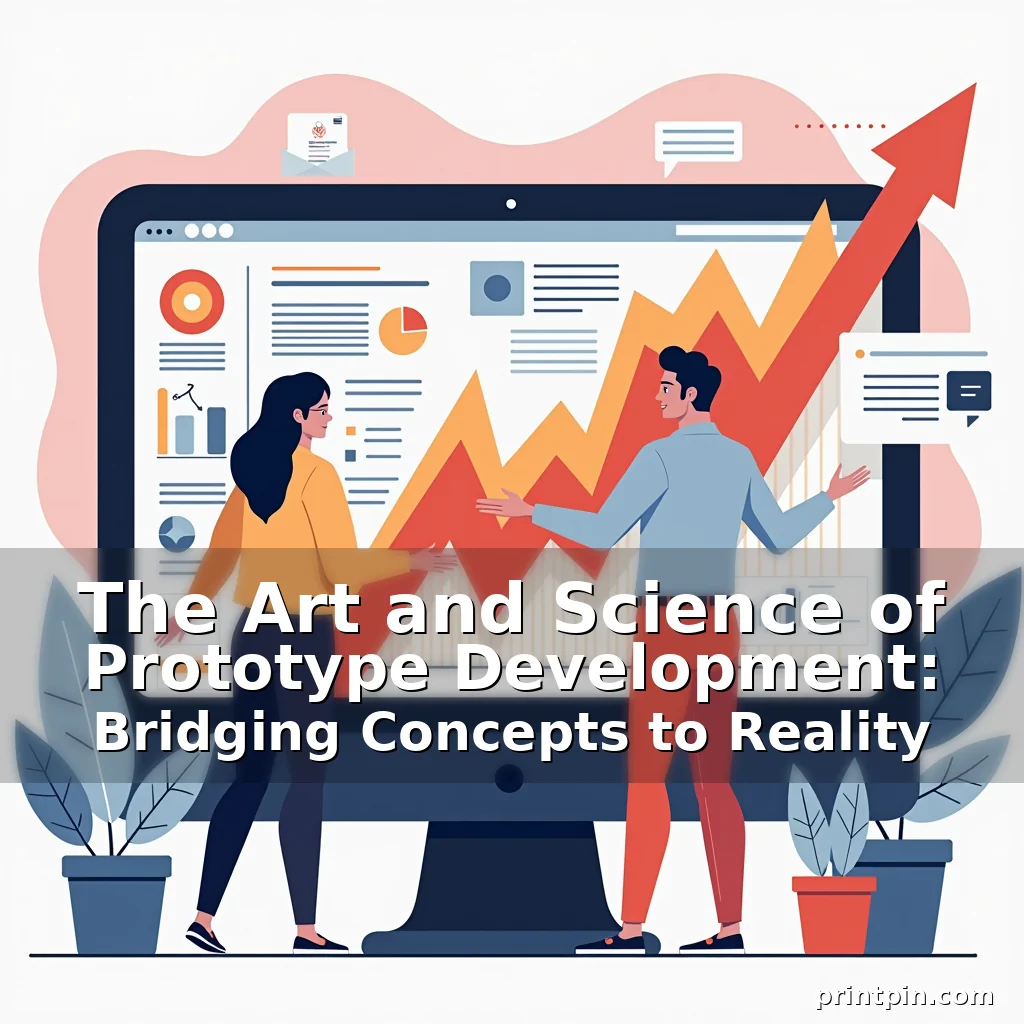
The Art and Science of Prototype Development: Bridging Concepts to Reality
Innovation begins not with perfection but with possibility. At the heart of every groundbreaking product lies its initial form—a prototype that transforms abstract ideas into tangible realities. This process is where imagination meets engineering, creativity intersects with practicality.
Prototype development serves as both an experimental phase and a crucial milestone in any innovation journey. It allows creators to test assumptions, identify flaws early, and refine their vision before full-scale production ever commences. Whether you’re designing a new consumer gadget, developing medical devices, or crafting sustainable solutions, building prototypes remains essential.
The Foundations of Successful Prototyping
A strong foundation starts with clearly defined objectives. Before assembling materials or sketching blueprints, teams must understand exactly what they aim to achieve through prototyping. Are we testing usability? Validating functionality? Or simply exploring aesthetic possibilities?
This clarity shapes everything from material selection to testing methodologies. A well-defined goal prevents wasted effort while ensuring each iteration brings meaningful progress toward the final design. Without clear direction, even the most advanced tools become ineffective.
Research plays an equally vital role during these early stages. Understanding existing products within your field helps avoid reinvention of the wheel while identifying gaps worth filling. Industry reports, competitor analysis, and user feedback provide invaluable context for informed decision-making.
Moreover, defining constraints upfront—whether budget limitations, timeline pressures, or technological barriers—helps manage expectations and prioritize efforts effectively. These factors influence everything from component choices to fabrication techniques used later on.
Three key elements define successful foundational work:
- Clear Objectives: Specific goals guide every aspect of the prototyping journey, preventing unnecessary detours and misaligned outcomes.
- Detailed Research: Comprehensive investigation ensures innovations build upon existing knowledge rather than repeating past mistakes.
- Realistic Constraints: Recognizing limitations enables smarter resource allocation and sets achievable benchmarks for success.
Design Principles That Drive Effective Prototypes
Crafting functional models requires adherence to fundamental design principles. Simplicity often proves more effective than complexity when aiming to validate core functionalities. Overloading designs with too many features can obscure real-world performance issues.
Ergonomics deserves special attention regardless of product type. Even digital interfaces benefit from intuitive navigation paths that align with human behavior patterns. Physical objects require careful consideration of grip, weight distribution, and accessibility standards.
Sustainability has emerged as another critical factor influencing modern design approaches. Eco-friendly materials, energy-efficient components, and recyclable packaging options increasingly shape decisions at various development phases.
Modularity offers additional advantages by allowing interchangeable parts across different model versions. This flexibility facilitates rapid adjustments based on user testing results without requiring complete redesigns.
Scalability considerations shouldn’t be overlooked either. While early-stage prototypes may seem small scale, anticipating future growth needs ensures smoother transitions into mass production processes down the line.
Selecting Appropriate Materials and Tools
Material choice significantly impacts prototype quality and cost effectiveness. Rapid prototyping technologies now offer diverse options ranging from thermoplastics suitable for injection molding tests to metals ideal for stress analysis demonstrations.
Traditional methods still hold value depending on project requirements. Woodworking techniques might suffice for basic furniture concepts whereas CNC machining provides precision necessary for mechanical systems validation.
Choosing between additive manufacturing versus subtractive processes depends largely on desired outcome:
- Additive manufacturing (e.g., 3D printing) builds up layers incrementally—an excellent method for complex geometries.
- Subtractive manufacturing removes material gradually—often preferred when tight tolerances are required.
Software tools play an indispensable role alongside physical equipment. CAD programs enable precise modeling before committing resources to actual construction. Simulation software further enhances predictive capabilities regarding structural integrity under varied conditions.
Collaboration platforms help streamline communication among cross-functional teams working simultaneously on different aspects of the same project. Cloud-based storage solutions ensure everyone accesses latest iterations seamlessly.
Iterative Testing and Refinement Process
Prototyping thrives on continuous improvement cycles. Initial models rarely match final specifications; instead, each version reveals new insights leading towards better solutions. Documenting changes systematically aids traceability throughout development timelines.
User testing constitutes one of the most powerful evaluation methods available today. Observing how people interact naturally with prototypes exposes hidden usability challenges that lab environments sometimes miss entirely.
Data analytics complements qualitative observations by providing quantitative measures of performance metrics. Tracking usage patterns, failure points, and efficiency indicators informs targeted enhancements efficiently.
Feedback loops accelerate learning curves dramatically. When structured properly, input gathered from stakeholders—including end-users, investors, and regulatory bodies—guides strategic revisions aligned with broader business goals.
Quality assurance protocols ensure consistency across successive iterations. Establishing baseline criteria against which improvements get measured maintains focus on achieving specified targets consistently over time.
Navigating Challenges During Development Phases
Despite best intentions, obstacles inevitably arise during prototype creation. Budget overruns frequently occur due to underestimated costs associated with specialized tooling or unexpected delays caused by supply chain disruptions.
Technical hurdles also present significant roadblocks. Inadequate understanding of material properties might lead to failures under stress tests, necessitating costly rework periods. Similarly, insufficient expertise could result in flawed implementations that compromise overall reliability.
Communication breakdowns between departments occasionally hinder progress considerably. Misaligned priorities between R&D engineers focused solely on technical excellence versus marketing professionals emphasizing commercial viability create tension that slows down development schedules unnecessarily.
To mitigate these risks proactively, implementing agile frameworks fosters adaptability while maintaining momentum. Regular check-ins facilitate timely course corrections without derailing ongoing initiatives completely.
Investment in training programs equips staff members with current industry practices relevant to evolving technology landscapes continuously changing around them.
Leveraging Digital Technologies for Enhanced Efficiency
Digital transformation has revolutionized traditional prototyping workflows significantly. Virtual reality simulations allow designers to experience spatial relationships firsthand long before constructing physical counterparts physically.
Augmented reality overlays enhance interactive demonstrations during presentations by superimposing digital information onto real-world environments dynamically adjusting according to viewer perspectives automatically.
Artificial intelligence applications assist in generating optimized设计方案 based on predefined parameters reducing manual trial-and-error phases substantially saving considerable amounts of time spent otherwise.
Cloud computing infrastructure supports seamless collaboration across geographically dispersed teams enabling simultaneous modifications to shared files eliminating version control conflicts commonly encountered previously.
Internet of Things integration opens exciting possibilities for smart prototypes capable of collecting operational data autonomously transmitting useful insights back to developers remotely facilitating proactive maintenance strategies effectively.
Bridging Gaps Between Innovation and Market Readiness
Translating research findings into commercially viable offerings demands meticulous planning beyond mere technical feasibility assessments alone. Identifying target markets early establishes clearer guidelines for feature prioritization accordingly.
Regulatory compliance cannot be ignored especially concerning safety certifications required prior launching anything involving public health implications particularly true for medical device manufacturers operating globally.
Pricing strategies must reflect realistic manufacturing costs considering economies of scale achieved only after reaching certain volume thresholds typically dictated by minimum order quantities set forth by suppliers involved directly.
Brand positioning influences perception greatly affecting customer acceptance levels ultimately determining whether innovative breakthroughs succeed commercially or remain confined strictly within academic circles exclusively.
Strategic partnerships formed strategically position companies advantageously navigating competitive landscapes successfully leveraging combined strengths synergistically enhancing collective chances succeeding together mutually beneficially.
Case Studies Illustrating Real-World Applications
Examining successful examples provides concrete evidence supporting theoretical discussions presented earlier throughout this exploration. Let’s look at three distinct industries showcasing diverse implementation scenarios highlighting common themes emerging repeatedly despite varying contexts.
Consumer Electronics Sector: Apple Inc.’s iterative refinement approach exemplifies how incremental improvements yield substantial market advantages eventually culminating into iconic status enjoyed currently worldwide.
Mechanical Engineering Field: Tesla Motors utilized extensive virtual simulations extensively minimizing expensive errors occurring traditionally during automotive assembly line setups historically plagued frequent setbacks requiring costly interventions regularly.
Biomedical Innovations Area: Medtronic Corporation applied rigorous clinical trials procedures meticulously validating implantable devices thoroughly ensuring patient safety paramount concern guiding all developmental activities conducted diligently always.
Analyzing such cases reinforces importance placing emphasis quality assurance throughout entire lifecycle managing expectations appropriately setting reasonable milestones measurable quantitatively objectively assessing achievements periodically reviewing progress routinely recalibrating plans flexibly adapting circumstances fluidly evolving demands met adeptly proficiently.
Fostering Collaborative Environments For Optimal Outcomes
Cross-disciplinary teamwork becomes increasingly vital nowadays given complexities inherent modern projects demand multifaceted skillsets seldom possessed individually isolated experts working independently apart others.
Establishing open channels communication encourages free exchange ideas promoting creative problem-solving opportunities arising spontaneously naturally rather being forced artificially imposed externally.
Workshops dedicated brainstorming sessions scheduled regularly maintain engagement levels high keeping momentum going forward consistently ensuring steady progress maintained unbroken continuity uninterrupted flow operations smoothly executed efficiently effectively optimally.
Implementing peer review mechanisms strengthens accountability fostering mutual respect among participants cultivating healthy competition pushing boundaries further expanding horizons widening scope explorations undertaken collectively collaboratively.
Recognizing contributions publicly boosts morale motivating individuals strive exceed personal limits contributing meaningfully impactful ways strengthening team cohesion reinforcing unity purpose serving greater good benefiting society broadly comprehensively holistically.
Measuring Success And Continuous Improvement
Defining KPIs (key performance indicators) establishes objective benchmarks against which progress gets evaluated accurately reliably consistently measuring effectiveness precisely quantifiably tracking advancements transparently openly sharing results widely disseminated broadly accessible universally understandable easily interpretable.
Regular audits performed systematically uncover inefficiencies pinpoint areas needing enhancement spotlighting potential improvements recommending corrective actions addressing shortcomings promptly resolving issues swiftly restoring balance equilibrium harmonious functioning optimal operation smooth execution seamless delivery satisfactory outcomes satisfying stakeholder expectations adequately sufficiently fully comprehensively thoroughly exhaustively.
Continuous improvement philosophies embrace change viewing it positively embracing evolution naturally progressing forward never settling complacency stagnation actively seeking enhancements perpetually refining processes perpetually advancing skills perpetually upgrading facilities perpetually improving outputs perpetually elevating standards perpetually exceeding previous accomplishments continually striving higher aspirations constantly pursuing excellence relentlessly committed achieving greatness persistently endeavoring surpassing self-imposed limitations transcending ordinary capabilities attaining extraordinary feats accomplishing remarkable achievements creating legendary legacies.
Adopting lean methodologies reduces waste focuses resources critically important aspects eliminates redundancies streamlines workflows accelerates timelines achieves objectives efficiently economically effectively economically sustainably responsibly ethically environmentally friendly socially conscious manner.
Embracing circular economy principles promotes sustainability recycles materials repurposes components minimizes environmental impact creates closed-loop systems maximizes resource utilization reduces ecological footprint contributes positively planetary health preserves natural ecosystems protects biodiversity conserves finite resources ensures longevity future generations inherit thriving planet.
Conclusion
Prototype development stands as a pivotal bridge connecting conceptual visions with functional realities. Through deliberate planning, thoughtful execution, and relentless refinement, innovators transform abstract notions into viable solutions ready for real-world application.
By mastering fundamentals outlined here—from establishing clear objectives to embracing cutting-edge technologies—you empower yourself to navigate challenges confidently pursue ambitious ventures fearlessly push boundaries boldly realize dreams concretely manifest ideals tangibly achieve aspirations visibly demonstrate capabilities compellingly showcase innovations convincingly persuade audiences eagerly anticipate launches enthusiastically embrace transformations joyfully witness evolutions excitedly celebrate breakthroughs proudly declare successes triumphantly announce victories.

news is a contributor at PrintPin. We are committed to providing well-researched, accurate, and valuable content to our readers.