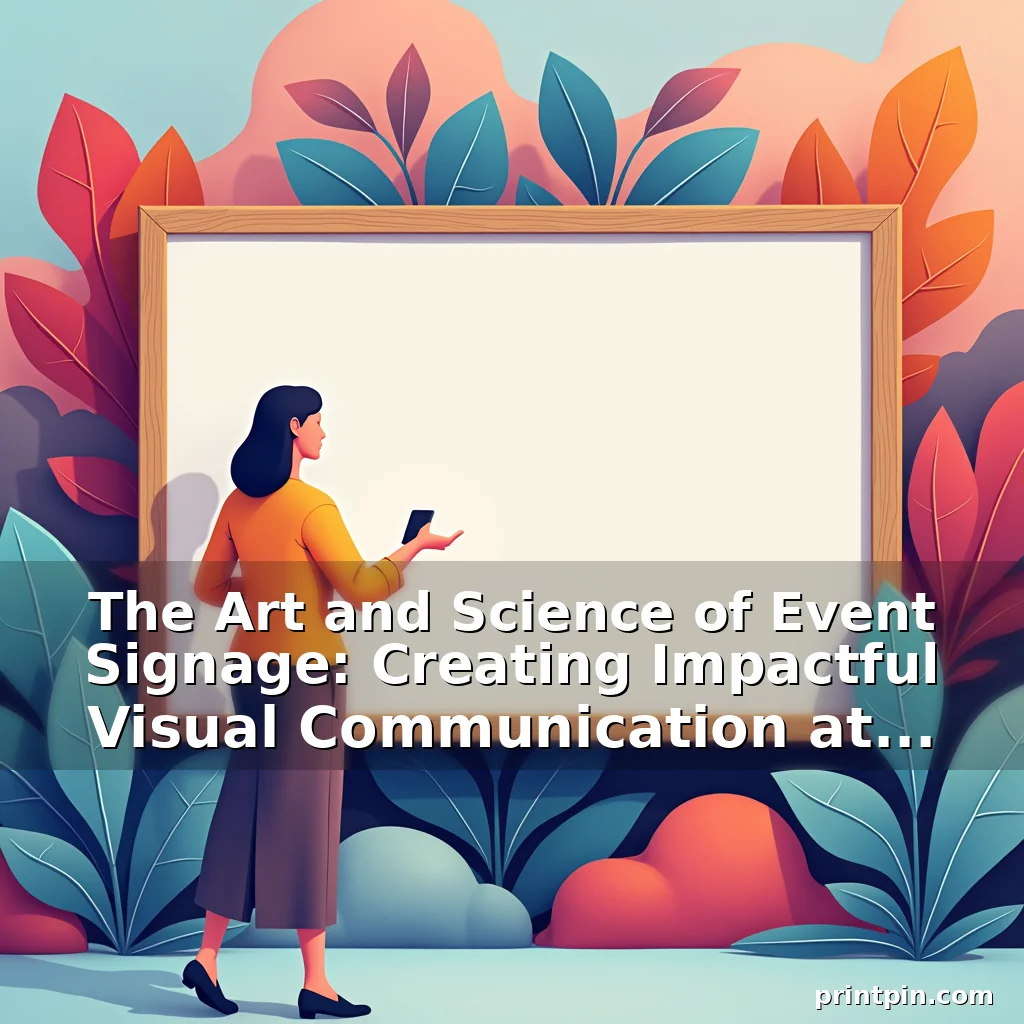
The Art and Science of Event Signage: Creating Impactful Visual Communication at Events
In an era where first impressions are often made within seconds, effective event signage is the unsung hero that guides attendees through the chaos of any gathering. From conferences to festivals, well-designed signs can transform confusion into clarity, ensuring smooth navigation and enhancing the overall experience.
This guide explores how strategic placement, creative design, and technological advancements come together to create signage solutions that not only inform but also captivate audiences. Whether you’re organizing a small local fair or a global summit, understanding the nuances of event signage can make all the difference.
The Role of Event Signage in Enhancing Attendee Experience
Event signage serves as the visual roadmap for participants navigating complex environments. Clear directionals reduce stress by minimizing uncertainty and helping guests find their way without frustration.
A study by the International Association of Exhibitions and Events found that properly placed signage reduces attendee complaints by up to 68%, demonstrating its critical role in creating positive experiences. This impact extends beyond mere convenience; well-planned signs contribute significantly to brand perception.
Signs that align with an event’s theme reinforce messaging while maintaining functionality. When executed thoughtfully, they become part of the storytelling process rather than simple navigational tools.
- Directional Signage: These essential elements help people move efficiently between venues, restrooms, food courts, and key points of interest.
- Informational Signage: Provides crucial details such as schedules, speaker information, venue maps, and emergency procedures.
- Brand Identity Signage: Reinforces organizational branding through consistent color schemes, logos, and typography across all sign types.
Each type plays a distinct yet complementary role in shaping the attendee journey from arrival to departure. The synergy between these components creates a cohesive communication strategy that supports both practical needs and emotional engagement.
Design Principles That Define Effective Event Signage
Crafting impactful event signage begins with mastering fundamental design principles that ensure legibility and aesthetic appeal. A clear hierarchy of information helps viewers quickly grasp what matters most before moving deeper into content.
Typeface selection becomes particularly important when considering distance and visibility factors. Sans-serif fonts generally offer better readability from afar compared to serif alternatives which may appear less crisp under certain conditions.
Color psychology plays a significant role in influencing emotions associated with different spaces. For instance, blue tones convey professionalism while warm reds generate energy suitable for entertainment-focused events.
Contrast ratios must be carefully considered to maintain text readability against background colors. High contrast ensures messages remain visible even in challenging lighting situations common at outdoor events.
Typography Considerations for Maximum Visibility
According to the Society of Graphic Designers, optimal letter height should measure approximately three times the viewing distance to guarantee full comprehension. This calculation becomes especially relevant for large-scale directional boards positioned far away from potential readers.
Maintaining consistency in font families throughout all signage materials strengthens brand recognition efforts while reducing cognitive load on attendees trying to absorb multiple pieces of information simultaneously.
Proper spacing between letters (kerning) and lines (leading) prevents overcrowding issues that could hinder message delivery during high-traffic periods. Thoughtful use of negative space enhances overall visual balance and readability.
Selecting Appropriate Materials Based on Environmental Factors
The choice of material for event signage depends heavily on environmental considerations including weather expo Outdoor displays require UV-resistant finishes capable of withstanding prolonged sun exposure without fading.
Portable signage systems benefit from lightweight yet durable options like aluminum frames paired with waterproof vinyl banners. These combinations allow easy transport while maintaining structural integrity across various settings.
Indoor exhibitions might prioritize sleek acrylic panels or foamcore boards depending on desired aesthetics versus functional needs. Both materials provide good surface quality for printing while remaining relatively affordable compared to more premium alternatives.
Temporary installations often favor biodegradable or recyclable materials whenever possible, reflecting growing industry trends towards sustainable practices in event management.
Leveraging Technology for Interactive Signage Solutions
Digital signage has revolutionized traditional static methods by offering dynamic content capabilities that enhance interactivity among attendees. Touchscreen kiosks enable real-time updates regarding session changes, last-minute additions, or other urgent announcements.
Augmented reality features integrated into smart signs allow users to scan QR codes using mobile devices to access additional resources like program guides, speaker bios, or interactive maps tailored specifically to individual preferences.
LED displays provide flexibility in showcasing multimedia presentations ranging from promotional videos to live data feeds showing current attendance numbers or social media mentions related to ongoing activities.
Cloud-based platforms facilitate centralized control over multiple screens simultaneously, allowing organizers to manage content distribution remotely while monitoring performance metrics through analytics dashboards.
Best Practices for Strategic Placement and Layout Planning
Strategic positioning of signage requires careful consideration of foot traffic patterns and spatial relationships within event grounds. Signs should be located along natural pathways rather than forcing detours that disrupt existing movement flows.
Height adjustments based on viewer eye level ensure maximum visibility from different angles. Suspended banners work best above head height whereas ground-level plaques need to be elevated enough so wheelchair users can easily see them.
Consistency in layout format across all locations builds familiarity and reinforces orientation cues. Using standardized templates maintains uniformity while still allowing room for localized modifications when necessary.
Regular audits during setup phases help identify blind spots where signage might be obstructed by structures or crowds, prompting timely repositioning decisions before official opening times arrive.
Navigating Budget Constraints Without Compromising Quality
Budget limitations shouldn’t compromise the effectiveness of your event signage strategy. Prioritizing essential items like core directional guidance takes precedence over optional enhancements that add little value to visitor navigation.
Purchasing pre-printed templates offers cost-effective solutions for recurring events requiring minimal customization each year. These reusable assets eliminate annual printing expenses while maintaining brand continuity.
Collaborating with local artists or students provides opportunities to incorporate fresh perspectives without excessive financial commitments. Such partnerships can yield innovative designs while supporting community initiatives simultaneously.
Renting equipment instead of buying outright proves beneficial for infrequent usage scenarios where long-term ownership isn’t economically viable. This approach allows access to professional-grade gear without permanent investment obligations.
Evaluating Success Through Feedback Mechanisms and Analytics Tools
Gathering post-event feedback through surveys enables identification of areas needing improvement in future signage implementations. Direct input from attendees highlights pain points that weren’t apparent during initial planning stages.
Analyzing digital screen interactions reveals which information receives highest engagement levels, guiding refinement strategies toward more effective content formats and placement choices going forward.
Tracking conversion rates from signage-linked promotions assists in measuring ROI related to marketing expenditures directed through physical channels rather than purely online campaigns alone.
Implementing continuous evaluation processes transforms static signage investments into adaptive learning systems continuously improving through empirical evidence collected after every major event occurrence.
Conclusion
Effective event signage goes beyond basic informational functions by becoming integral components of immersive experiences crafted around specific themes and objectives. It shapes perceptions, influences behavior, and ultimately determines success metrics tied to participant satisfaction levels.
To maximize impact, planners should adopt holistic approaches combining thoughtful design principles with modern technologies while always keeping attendee needs at center stage. With deliberate planning and execution, event signage emerges not merely as supportive infrastructure but as powerful instruments driving memorable encounters worthy of celebration.
“`

news is a contributor at PrintPin. We are committed to providing well-researched, accurate, and valuable content to our readers.