The Transformative Power of Artistic Photo Prints: Elevating Spaces Through Visual Storytelling
In an era where visual aesthetics define personal expression and interior design, artistic photo prints have emerged as a powerful medium that transcends traditional photography. These curated images blend technical precision with creative vision, transforming ordinary moments into evocative works of art.
From minimalist black-and-white portraits to vibrant abstract compositions, artistic photo prints offer a versatile canvas for self-expression. Their ability to capture emotion, texture, and atmosphere makes them ideal for enriching both residential and commercial spaces with personality and depth.
Understanding the Essence of Artistic Photography
Artistic photography differs from documentary or journalistic styles by prioritizing emotional impact over factual representation. It embraces intentional distortions, unconventional perspectives, and symbolic elements to convey deeper meanings through visual language.
Professional photographers often experiment with lighting techniques such as chiaroscuro effects, long expo These deliberate choices transform everyday scenes into compelling narratives.
The use of post-processing software allows artists to enhance colors, manipulate textures, and introduce surreal elements that reflect their conceptual visions. This digital layer adds another dimension to photographic storytelling while maintaining authenticity in composition.
- Emotional Resonance: Captures fleeting emotions and human experiences through carefully composed frames
- Cultural Commentary: Offers social critiques or celebrates traditions through visual metaphors
- Aesthetic Innovation: Pushes boundaries of conventional imagery using experimental techniques
Photographers frequently draw inspiration from various art movements, including impressionism’s soft brushstrokes or cubism’s fragmented perspectives. This cross-disciplinary approach fosters innovation at the intersection of photography and fine arts.
For collectors and enthusiasts, identifying authentic artistic photographs involves looking beyond technical perfection towards the underlying narrative and stylistic coherence that defines each piece.
Choosing the Right Medium for Your Vision
Selecting appropriate materials is crucial when translating artistic photos into physical prints. Different substrates affect color vibrancy, texture perception, and overall longevity of the artwork.
Glossy finishes intensify color saturation but may show fingerprints easily, making them less suitable for high-touch environments. Matte surfaces provide a softer aesthetic while reducing glare, which is preferable for gallery-style displays.
Archival-quality papers ensure durability against fading caused by UV light exposure. For outdoor installations or frequent handling, specially treated canvases offer enhanced resistance to environmental factors without compromising visual appeal.
Considerations extend beyond material choice to include size proportions and framing options that complement your space’s architecture and existing decor schemes.
Digital printing technologies enable precise reproduction of intricate details found in original photographs. High-resolution inkjet printers can accurately replicate subtle tonal shifts essential for conveying mood and atmosphere.
When displaying multiple pieces together, curators recommend varying sizes and orientations strategically to maintain visual interest without overwhelming viewers.
The Role of Lighting in Enhancing Photographic Art
Proper illumination plays a critical role in how photographic artworks are perceived across different settings. Natural daylight provides balanced color rendition but requires careful positioning to avoid harsh shadows.
Indirect lighting solutions such as track lights or recessed ceiling fixtures allow for adjustable brightness levels, ensuring optimal visibility without creating distracting reflections on glossy surfaces.
For darkroom-style exhibitions featuring vintage photographs, low-wattage bulbs combined with diffusers produce a warm ambiance that complements sepia tones effectively.
Smart lighting systems equipped with color temperature controls help match ambient conditions to specific photographic themes ranging from cool blues for contemporary abstracts to golden hues for nostalgic landscapes.
Wall-mounted LED strips can accentuate edges and contours of framed pieces, drawing attention to compositional elements while adding dynamic movement through programmable patterns.
Moving away from static lighting setups, kinetic sculptures integrated with photo prints create interactive experiences where light interacts differently based on viewer proximity and angle of observation.
Curating a Cohesive Collection of Photographs
Building a visually harmonious collection begins with establishing clear thematic connections among selected pieces. Common threads could range from shared subject matter to consistent stylistic approaches.
Color theory principles guide effective grouping strategies by considering complementary palettes or analogous schemes that work well together aesthetically. However, intentional clashes can also serve as focal points when used deliberately.
Balance is achieved not only through color relationships but also via spatial arrangements that consider negative space distribution and visual weight equilibrium between individual components.
Varying formats – from square crop ratios to panoramic vistas – add architectural diversity while preventing monotony in presentation layouts.
Periodic rotation of displayed items keeps collections fresh and prevents viewer fatigue associated with repetitive viewing patterns. Seasonal changes provide natural opportunities for refreshing gallery spaces.
Interactive elements like touchscreens showing behind-the-scenes processes or artist interviews deepen engagement with featured works, transforming passive observation into active participation.
Preserving the Integrity of Printed Artworks
Protective measures are essential for maintaining the quality of printed photographs over time. Acid-free mounting boards prevent chemical degradation that leads to yellowing and brittleness in paper-based media.
UV-filtering glass enhances preservation efforts by blocking harmful radiation responsible for pigment breakdown in color-intensive prints. Regular cleaning routines using microfiber cloths minimize dust accumulation that affects clarity over extended periods.
Humidity control devices regulate moisture levels inside display cases, preventing mold growth that damages delicate fibers present in most archival-grade papers.
Framing guidelines suggest avoiding direct contact between glass coverings and printed surfaces to prevent pressure-induced warping or discoloration along frame edges.
Digitally archived copies serve as backup records in case originals suffer damage due to unforeseen circumstances. Cloud storage platforms ensure accessibility even during emergencies involving physical destruction.
Insurance policies tailored specifically for fine art protect owners financially against losses resulting from theft, fire incidents, or accidental breakages during transportation.
Exploring Diverse Styles Within Artistic Photography
The spectrum of artistic photography encompasses numerous subgenres each defined by distinct characteristics and creative philosophies. Street photography captures spontaneous urban life moments frozen in time through candid snapshots.
Landscape photography transforms natural scenery into immersive experiences emphasizing scale, perspective, and atmospheric conditions inherent in each location. Abstract photography deconstructs subjects into geometric shapes and textured layers revealing hidden structures beneath surface appearances.
Potraiture focuses on capturing human essence through expressive gazes, body language cues, and contextual surroundings that tell stories about individuals’ identities. Documentary-style shots preserve cultural heritage by recording rituals, traditions, and societal transformations.
Surrealist compositions challenge perceptions by juxtaposing unrelated objects or manipulating reality through double exposures and photomontage techniques. These unexpected combinations provoke curiosity and encourage deeper contemplation about depicted realities.
Each style offers unique advantages depending on intended audience reception and message delivery objectives. Understanding these differences helps in selecting appropriately themed works for specific exhibition purposes.
Evaluating Authenticity and Value in Artistic Photo Prints
Determining genuine artistic value goes beyond superficial qualities like resolution sharpness or vivid color saturation. True worth lies in the conceptual framework guiding creation process alongside execution skill demonstrated through final output.
Authentication certificates verify provenance information tracing ownership history back to original creators. Limited edition numbering ensures exclusivity by restricting availability to predefined quantities.
Artist signatures function as verifiable marks confirming authorship and serving as collectible attributes increasing market desirability. Handwritten annotations sometimes accompany signed editions providing additional context regarding creative decisions made during production phases.
Gallery affiliations contribute credibility by associating works with established institutions known for rigorous curation standards. Exhibitions histories document public recognition received from authoritative venues enhancing prestige associated with particular pieces.
Market trends influence valuation fluctuations based on current demand cycles affecting price ranges available for purchase. Researching recent auction results provides benchmarks for assessing fair trade values before committing financial resources toward acquisitions.
Investment potential varies significantly according to photographer reputation, thematic relevance, and historical significance attached to individual artworks. Some pieces appreciate steadily over decades while others experience volatile price swings dependent upon shifting consumer preferences.
Integrating Artistic Photo Prints Into Interior Design Schemes
Strategic placement of photographic artworks enhances spatial dynamics by defining zones within living areas or highlighting architectural features deserving special attention. Large-scale wall coverings create immersive environments enveloping viewers in continuous visual narratives.
Accent walls adorned with clustered groupings generate focal points attracting gaze naturally while reinforcing thematic cohesion through unified color palettes or recurring motifs appearing consistently across displayed items.
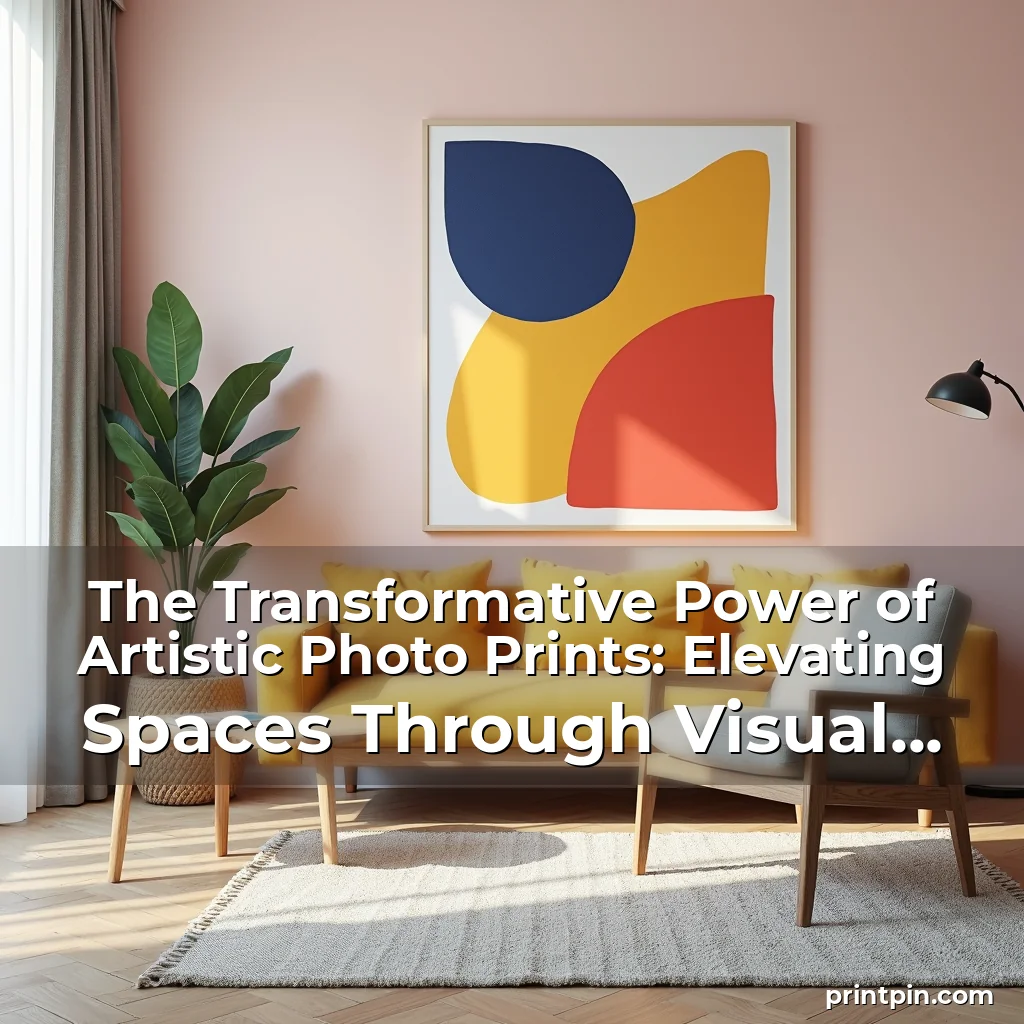
Minimalist interiors benefit greatly from single statement pieces suspended centrally above seating arrangements allowing ample breathing room around surrounding furnishings without overcrowding visual field lines.
Textured backgrounds elevate simple photographs by contrasting smooth printed surfaces against rougher substrate materials such as reclaimed wood panels or concrete slabs exhibiting natural imperfections.
Layered compositions combining mounted photographs with decorative objects like sculptural elements or woven textiles foster multidimensional interactions inviting closer examination of interrelationships formed between disparate components.
Dynamic lighting configurations emphasize certain aspects of exhibited works while casting interesting shadows that change dramatically throughout day-night transitions enhancing experiential qualities offered by installed pieces.
Bridging Digital Platforms With Physical Print Experiences
The rise of online marketplaces has expanded access to diverse artistic photograph collections previously limited to niche galleries catering exclusively to elite audiences. Virtual viewings now allow remote exploration of portfolios before deciding on physical acquisitions.
Augmented reality applications enable users to visualize how proposed placements would look within actual living spaces prior to purchasing commitments requiring permanent installation procedures.
Print-on-demand services democratize entry into fine art markets by eliminating need for large inventory stockpiling risks typically associated with traditional retail models relying heavily upon upfront capital investments.
Subscription-based platforms offering rotating selections cater to evolving tastes encouraging ongoing engagement rather than one-time purchases characteristic of standard e-commerce transactions focused primarily upon immediate gratification needs.
Data analytics tools assist sellers in understanding buyer behavior patterns helping refine product offerings aligned closely with prevailing market demands identified through real-time feedback mechanisms embedded within platform interfaces.
Community-driven initiatives promote collaboration among emerging talents fostering knowledge exchange beneficial for collective advancement within broader photographic communities seeking mutual support networks facilitating professional growth trajectories.
Conclusion
Artistic photo prints represent a fascinating convergence of technological advancements and creative expression. As we’ve explored, they hold immense potential for transforming any environment into a personalized sanctuary filled with meaning and beauty.
Whether you’re an avid collector expanding your portfolio or simply someone seeking ways to infuse daily life with greater appreciation for visual storytelling, there exists endless possibilities waiting to be discovered through thoughtful selection and strategic integration of photographic masterpieces.

news is a contributor at PrintPin. We are committed to providing well-researched, accurate, and valuable content to our readers.