Types of Printers
There are several types of printers, each designed for specific tasks. Here are some of the most common types:
Key Features to Consider
When choosing a printer, there are several key features to consider:
Budget Considerations
Printers can range from very affordable to very expensive. Here are some budget considerations:
Both types of printers have their advantages and disadvantages.
Inkjet Printers
Advantages
Disadvantages
Introduction
Multifunction printers (MFPs) have revolutionized the way we work and communicate. These versatile devices combine multiple functions into a single unit, making them an essential tool for home offices and small businesses. In this article, we’ll delve into the world of MFPs, exploring their benefits, features, and uses.
Benefits of Multifunction Printers
MFPs offer numerous benefits, including:
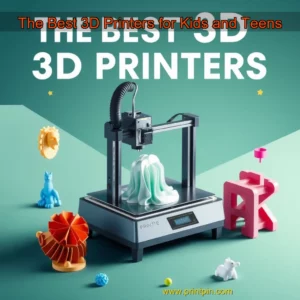
They use a combination of heat, light, and other technologies to create objects from digital designs. 3D printing is a rapidly growing field with many applications in various industries. 3D printing is used in the production of aircraft parts, medical devices, and other complex objects. 3
Industrial Applications of 3D Printing
3D Printing in the Aerospace Industry
Laser Printers Revolutionize Prototyping and Customization with High Detail and Customization Options.
The Laser Printer: A Game-Changer for Prototyping and Customization
Laser printers have revolutionized the way we create custom objects and prototypes. With their ability to produce highly detailed and customized items, they have become an essential tool for various industries, including manufacturing, design, and crafting.
Advantages of Laser Printers
Disadvantages of Laser Printers
Real-World Applications
Laser printers have a wide range of applications in various industries, including:
Conclusion
In conclusion, laser printers are a game-changer for prototyping and customization.
This flexibility allows users to print from their devices, making it easier to share documents and photos with others.
Printer Types and Connectivity Options
There are several types of printers available in the market, catering to different needs and preferences.
Higher upfront costs for laser printers, but inkjet printers are more affordable in the long run.
Inkjet printers, on the other hand, are more affordable upfront but have higher running costs due to the cost of ink or toner.
The Cost of Printing: A Comparison of Laser and Inkjet Printers
Upfront Costs
When considering the cost of printing, one of the first things to think about is the upfront cost of the printer itself. Laser printers tend to be more expensive than inkjet printers, with prices ranging from $200 to $1,000 or more, depending on the model and features. Inkjet printers, on the other hand, can be found for as little as $20 to $100, making them a more affordable option for those on a budget.
Both printers offer a range of features and benefits that cater to different user needs.
Printer Comparison: Brother HL-L2395DW vs Epson EcoTank ET-3850
When it comes to choosing the right printer for your office, several factors come into play. Two popular options are the Brother HL-L2395DW monochrome laser printer and the Epson EcoTank ET-3850 inkjet printer. In this article, we’ll delve into the key features, benefits, and differences between these two printers to help you make an informed decision.
Printing Speed and Quality
The Brother HL-L2395DW is a high-speed printer, capable of producing up to 40 pages per minute (ppm) in black and white. This makes it an ideal choice for busy offices that require rapid document production. On the other hand, the Epson EcoTank ET-3850 is a more affordable option, but its printing speed is slightly slower, reaching up to 33 ppm in black and white.
Choose a printer that meets your needs for time and cost savings.
A printer that meets your needs will save you time and money in the long run.
Choosing the Right Printer for Your Needs
When selecting a printer, it’s essential to consider your specific requirements. Think about the types of documents you’ll be printing, the frequency of use, and the level of quality you need. Here are some factors to consider:
Wireless Connectivity and Multifunction Capabilities
Many modern printers come with wireless connectivity options, making it easy to print from your smartphone, tablet, or computer. Some printers also offer multifunction capabilities, such as scanning, copying, and faxing. Here are some benefits of wireless connectivity and multifunction capabilities:
Choosing the Right Printer for Your Needs
When selecting a printer, it’s essential to consider your specific needs and the types of documents you’ll be printing. Here are some factors to keep in mind:
Inkjet Printers: Suitable for Occasional Use
Inkjet printers are great for occasional use, such as printing photos, documents, and other occasional printing tasks.