The Rise of Affordable Art: How Budget-Friendly Creativity is Transforming Homes and Communities
In an era where artistic expression often seems synonymous with exorbitant prices, the concept of affordable art has emerged as a game-changer. This movement is not only democratizing access to visual culture but also reshaping how people engage with creativity in their daily lives.
From small independent studios to online marketplaces, innovative approaches are making high-quality artwork accessible without compromising aesthetic value. These developments have sparked a cultural shift that benefits both emerging artists and collectors seeking meaningful connections through visual storytelling.
Reimagining Value in Contemporary Art
The traditional hierarchy of art valuation has long placed museum-grade pieces at the top of the scale. However, this perspective overlooks the rich tapestry of creative talent existing outside institutional spaces. Emerging platforms now highlight work from underrepresented voices while maintaining rigorous standards for quality craftsmanship.
Artists working within budget constraints have developed ingenious techniques to produce compelling works. Digital illustration tools, mixed media experimentation, and limited edition prints allow creators to maintain artistic integrity while keeping production costs manageable. These innovations challenge conventional notions of what constitutes’serious’ art.
- Digital Printmaking: High-resolution reproductions enable artists to reach wider audiences without sacrificing image clarity or color vibrancy.
- Mixed Media Innovation: Combining materials like fabric scraps, found objects, and recycled elements creates visually striking compositions at reduced cost.
This paradigm shift encourages viewers to reconsider their definitions of artistic merit. A vibrant acrylic painting priced at $150 can hold equal emotional resonance as a million-dollar masterpiece displayed in a gallery setting. What matters most becomes the connection formed between viewer and artwork rather than its monetary worth.
Bridging Cultural Divides Through Accessible Art
Affordable art initiatives have become powerful instruments for fostering cross-cultural understanding. Community-based programs pair local artists with international collaborators, creating dialogues that transcend geographical boundaries. These partnerships result in artworks that reflect shared human experiences while honoring distinct cultural perspectives.
Educational institutions increasingly recognize the importance of inclusive curricula. Schools incorporating budget-friendly art projects help students develop appreciation for diverse artistic traditions. When children create collages using materials from different cultures, they gain firsthand experience with global aesthetics and historical contexts.
Public art installations funded by municipal grants demonstrate another facet of this cultural bridge-building. Murals depicting multicultural narratives adorn city walls, transforming urban landscapes into open-air galleries that celebrate diversity. Such projects encourage civic engagement and promote social cohesion among residents.
Fostering Economic Empowerment Through Artistic Entrepreneurship
The affordability movement empowers marginalized communities by providing sustainable income opportunities. Artists from economically disadvantaged backgrounds can establish thriving businesses selling original works or handmade crafts. Online marketplaces offer these creators direct access to consumers worldwide, bypassing exploitative middlemen.
Craft cooperatives exemplify successful economic models within this space. By pooling resources and sharing expertise, collective members reduce overhead costs while benefiting from increased visibility. These collaborative structures foster mentorship relationships that strengthen entire artistic ecosystems.
Micro-loan programs specifically designed for creative entrepreneurs further enhance financial inclusion. With targeted funding, aspiring artisans can invest in better equipment or expand their product lines. This support system helps transform artistic passion into viable livelihoods.
Environmental Consciousness in Modern Art Practices
Sustainable practices are becoming integral to contemporary art creation. Many affordable art movements prioritize eco-friendly materials and processes that minimize environmental impact. This approach aligns with growing consumer demand for responsible consumption across industries.
Upcycling discarded materials presents exciting possibilities for artistic innovation. Textile remnants, electronic waste components, and repurposed packaging find new life as captivating art forms. These creations not only beautify spaces but also raise awareness about waste management issues.
Energy-efficient production methods contribute significantly to sustainability efforts. Solar-powered printing presses and low-emission paint formulations enable artists to maintain ecological responsibility without compromising output quality. As climate concerns intensify, such environmentally conscious choices will likely become industry standards.
Redefining Interior Design Through Affordable Decor
Interior design professionals are embracing affordable art as a transformative element in residential and commercial spaces. Unlike expensive statement pieces, budget-conscious options provide flexibility for evolving tastes and spatial requirements.
Custom wall treatments utilizing digital printing technology allow homeowners to refresh interiors affordably. Repeating patterns, textured surfaces, and dynamic color schemes can be created at a fraction of traditional installation costs. This adaptability makes decorative updates more accessible to a broader audience.
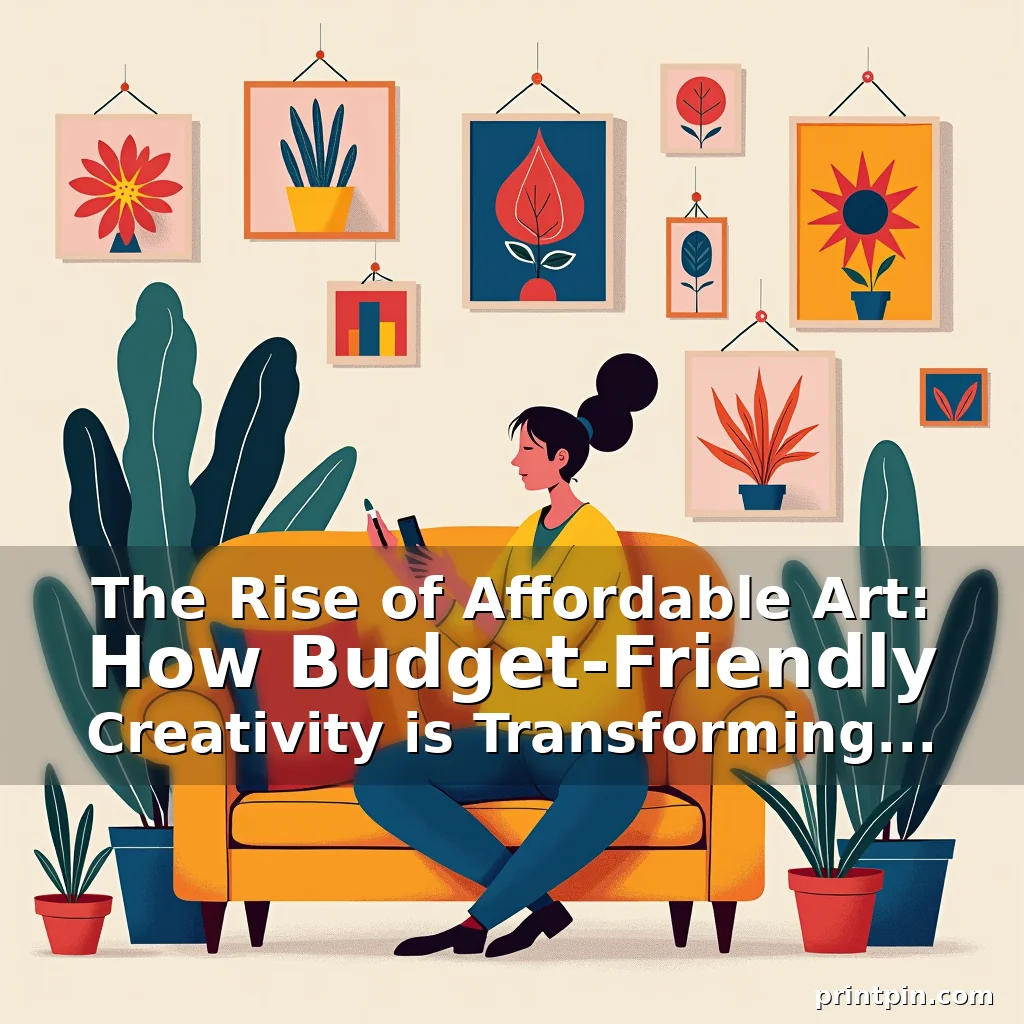
Gallery-style arrangements featuring curated collections of smaller artworks create depth and interest in any room. Groupings of complementary pieces add character without overwhelming the space. Strategic placement of mirrors and reflective surfaces enhances visual impact while minimizing need for costly furniture purchases.
The Role of Technology in Expanding Accessibility
Digital technologies have revolutionized how we discover and acquire affordable art. Virtual reality exhibitions let users explore immersive environments containing thousands of available pieces. Augmented reality features enable potential buyers to visualize artwork placements before committing to a purchase.
Blockchain authentication systems ensure provenance transparency for digital collectibles. Smart contracts facilitate secure transactions while protecting intellectual property rights. These technological advancements build trust in the burgeoning NFT marketplace where unique digital artworks trade hands globally.
Mobile applications streamline the buying process by offering personalized recommendations based on user preferences. AI algorithms analyze past acquisitions to suggest compatible additions to existing collections. Location-based services connect shoppers with nearby pop-up galleries showcasing fresh talent.
Cultivating Creative Confidence in Everyday Life
Engaging with affordable art fosters personal growth and self-expression. Participating in workshops allows individuals to experiment with various mediums and techniques. Learning fundamental skills builds confidence that translates into other aspects of life.
Collecting art becomes an empowering journey when approached with curiosity rather than pressure. Curated selections reflecting individual interests make the process enjoyable rather than intimidating. Over time, these collections evolve alongside personal development trajectories.
Sharing artistic discoveries with others strengthens social bonds. Conversations around favorite pieces reveal deeper layers of meaning and interpretation. This exchange of ideas enriches communal experiences beyond mere decoration functions.
Supporting Local Artists Without Breaking the Bank
Community-focused initiatives make supporting local creatives financially feasible. Subscription models allowing regular contributions to favored artists create ongoing revenue streams. These micro-patronage systems sustain artistic practice without requiring substantial upfront investment.
Pop-up exhibitions serve dual purposes by showcasing talent and building neighborhood networks. Temporary displays generate buzz while giving artists exposure to new audiences. Collaborative events bring together musicians, writers, and visual artists for multidisciplinary showcases.
Artist residencies tailored for emerging talents provide structured guidance along with basic living stipends. These programs combine professional development with practical support, enabling participants to refine their craft while gaining real-world experience.
Navigating Legal Considerations in Art Acquisition
Purchase agreements for affordable art require careful attention to legal protections. Clear documentation outlining ownership rights prevents disputes over reproduction permissions. Understanding licensing terms ensures appropriate use of purchased works.
Copyright laws apply equally to physical and digital artworks. Proper attribution remains essential even when acquiring derivative pieces. Respecting intellectual property rights maintains ethical standards within the collecting community.
Insurance coverage considerations vary depending on acquisition method. Physical pieces may require standard home insurance riders while digital assets necessitate specialized cybersecurity protocols. Consulting experts helps navigate these complexities effectively.
Building Lasting Relationships Through Art Appreciation
Developing genuine connections with art requires active engagement rather than passive observation. Attending live demonstrations reveals the thought process behind each piece’s creation. Engaging directly with artists deepens understanding of their inspirations and challenges.
Gifting art transforms simple gestures into meaningful expressions of appreciation. Selecting pieces aligned with recipients’ personalities shows thoughtful consideration. Thoughtful gifting strengthens interpersonal relationships through shared cultural experiences.
Joining enthusiast groups provides opportunities to discuss interpretations openly. Diverse perspectives enrich comprehension of complex themes present in many artworks. These exchanges cultivate a supportive environment for continued learning and discovery.
Conclusion
The affordable art movement represents more than just economical alternatives; it signifies a profound transformation in how society values and interacts with visual culture. From redefining artistic merit to bridging cultural divides, its impacts ripple across multiple dimensions of modern life.
By embracing budget-friendly creativity, individuals contribute to a more inclusive artistic landscape while enhancing their own environments and experiences. Whether through personal collection building or community engagement, every interaction with affordable art adds to the ever-evolving story of human expression.