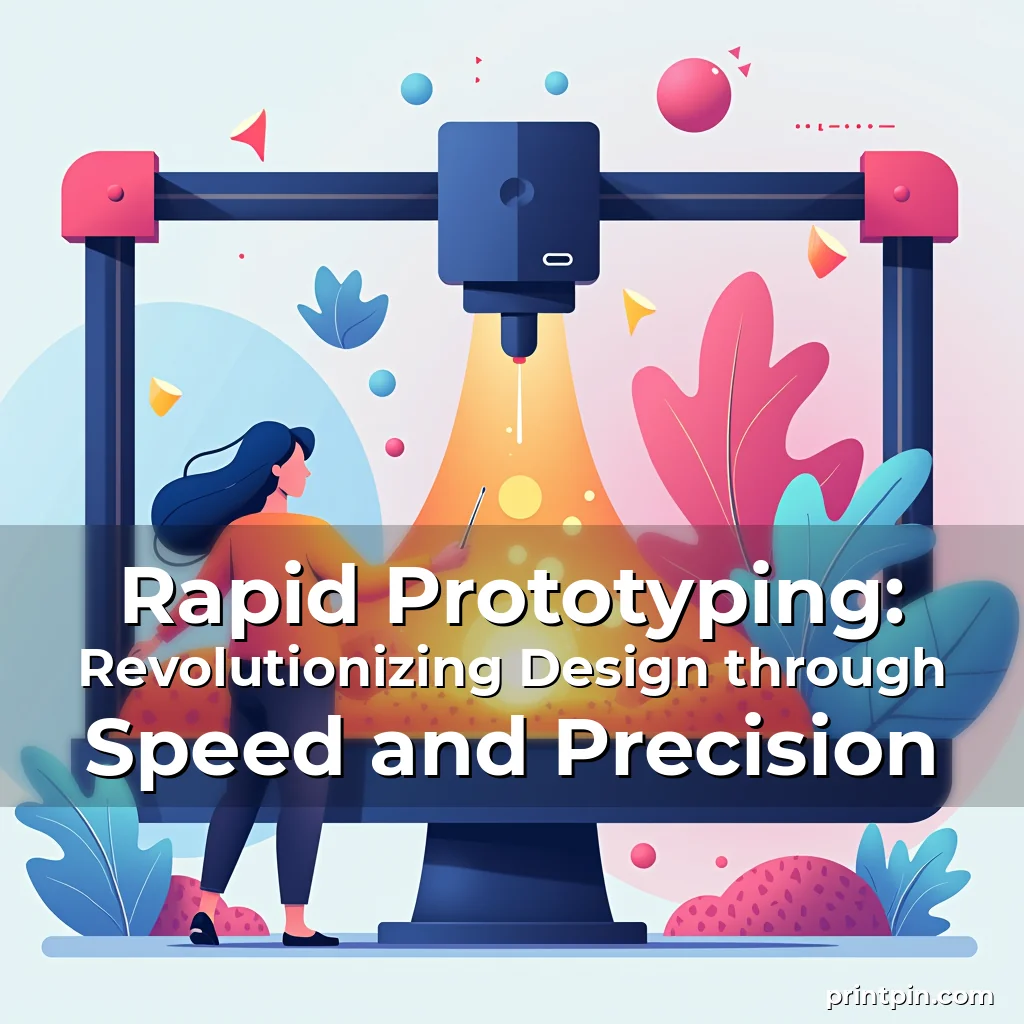
Rapid Prototyping: Revolutionizing Design through Speed and Precision
In today’s fast-paced world, innovation demands agility. Rapid prototyping has emerged as a game-changing technique enabling designers, engineers, and entrepreneurs to transform ideas into tangible products at unprecedented speeds.
This cutting-edge approach combines advanced technology with creative problem-solving, allowing teams to iterate designs rapidly before mass production begins. It bridges the gap between concept development and market-ready solutions.
Understanding the Core Principles of Rapid Prototyping
Rapid prototyping refers to the process of creating physical models or prototypes of product designs using computer-aided design (CAD) data and automated fabrication methods. These prototypes serve as functional representations of the intended product.
The fundamental goal is to accelerate the design iteration cycle while reducing costs associated with traditional prototyping techniques. Modern approaches leverage both digital simulation and physical creation processes simultaneously.
- Digital Modeling: CAD software allows precise virtual representation of components before any physical creation occurs
- Additive Manufacturing: Techniques like 3D printing build objects layer-by-layer using various materials
Evolving Technologies Driving Rapid Prototyping Advancements
The field continues to evolve with breakthroughs in materials science, automation, and computational power. Innovations now enable prototyping of complex geometries previously considered impossible.
New multi-material 3D printers can produce prototypes with varying textures, colors, and mechanical properties within a single print job. These capabilities expand design possibilities exponentially.
Recent Industry Statistics
According to industry reports, companies utilizing rapid prototyping see average time-to-market reductions of 40% compared to traditional methods. Aerospace firms report even greater savings when developing aircraft components.
A recent Deloitte study found that 89% of manufacturers investing in rapid prototyping saw improved product quality metrics within six months of implementation.
Fundamental Applications Across Industries
Rapid prototyping finds application in diverse sectors including architecture, medical devices, consumer electronics, and fashion. Its versatility stems from the ability to create customized solutions efficiently.
Architectural firms use scale models to test building designs in real environments, while orthopedic specialists manufacture patient-specific implants using biocompatible materials.
- Medical Field: Customized prosthetics reduce waiting times dramatically for patients needing replacements
- Automotive Sector: Crash-test dummies created through prototyping help refine vehicle safety features
Case Studies Demonstrating Real-World Impact
A prominent example comes from Formula 1 racing teams that employ rapid prototyping to develop aerodynamic components. Engineers can create and test multiple iterations during practice sessions.
In the furniture industry, IKEA uses digital prototyping to optimize packaging dimensions, resulting in significant reductions in shipping waste and costs.
- Healthcare Innovation: Researchers developed a low-cost ventilator prototype in weeks rather than years during pandemic emergencies
- Sustainable Solutions: Eco-friendly fashion brands now create fabric samples digitally before producing garments
Navigating Common Challenges in Implementation
While the benefits are substantial, organizations often face hurdles when adopting rapid prototyping. Material limitations and equipment costs can deter smaller enterprises from fully embracing these technologies.
Training requirements pose another challenge. Operators need specialized skills to manage advanced machinery and interpret complex CAD outputs effectively.
- Budget Constraints: Initial investment in high-end prototyping systems may seem prohibitive for startups
- Design Complexity: Creating accurate digital models requires proficiency in sophisticated software platforms
Trends Shaping the Future of Prototyping
Current trends indicate a shift towards integrating artificial intelligence with prototyping workflows. Machine learning algorithms now assist in optimizing designs automatically based on performance criteria.
There’s also growing interest in sustainable practices, with researchers developing biodegradable materials suitable for prototyping purposes. This aligns well with global environmental initiatives.
- AI Integration: Smart systems analyze vast datasets to suggest design improvements in real-time
- Material Innovation: Development of self-healing polymers opens new avenues for durable prototyping solutions
Preparing Your Team for Successful Adoption
Organizations considering rapid prototyping should begin by assessing internal capabilities and identifying areas for improvement. Training programs become essential for equipping staff with necessary competencies.
Cultivating a culture that embraces experimentation and continuous refinement is critical. Encouraging cross-functional collaboration enhances the prototyping process significantly.
- Workforce Development: Invest in ongoing education through workshops and certification courses
- Cross-Departmental Synergy: Foster communication between design, engineering, and marketing teams
Maximizing Value Through Strategic Planning
A successful prototyping strategy requires careful planning and resource allocation. Businesses should define clear objectives and measure success against predefined benchmarks.
Choosing the right combination of digital tools and fabrication methods depends heavily on project specifics. Evaluating trade-offs between speed, accuracy, and budget becomes crucial.
- ROI Analysis: Calculate potential gains against initial investments to ensure financial viability
- Metric Tracking: Monitor key indicators like time saved and defect reduction rates regularly
Conclusion
Rapid prototyping represents a paradigm shift in modern design practices, offering unparalleled flexibility and efficiency. Its impact spans numerous industries, continuously reshaping expectations around product development timelines.
To stay competitive, professionals should actively explore prototyping opportunities in their respective domains. Embracing this transformative methodology can unlock innovative solutions and drive business growth sustainably.