The Rise of Sustainable Printing
The event highlighted the growing importance of sustainable printing practices in the branding world. With the increasing awareness of environmental issues, brands are looking for ways to reduce their ecological footprint. One of the key takeaways from the event was the potential of plant-based inks and biodegradable materials in the printing process. Key points:
The event also showcased innovative solutions for reducing waste and increasing efficiency in the printing process. Attendees learned about the use of digital printing, which allows for smaller print runs and reduced waste, as well as the implementation of recycling programs for paper and ink.
The Future of Print Tech
The event explored the future of print technology and its potential to revolutionize the branding world. With the rise of digital printing, brands are looking for ways to incorporate this technology into their marketing strategies.
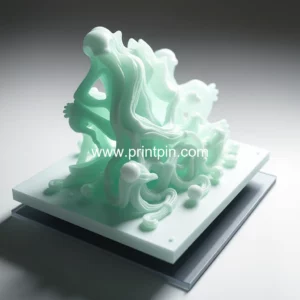
The samples were displayed in a variety of settings, including a futuristic cityscape, a natural landscape, and a vibrant market scene.
The Future of Printing: HP’s Latex 4th Gen Technology
The world of printing is on the cusp of a revolution, and HP’s Latex 4th Gen technology is at the forefront of this transformation. This cutting-edge technology has been generating significant buzz in the industry, and recent events have provided a glimpse into its capabilities.
A Hands-On Experience
The recent event, which showcased HP’s Latex 4th Gen technology, offered attendees a unique opportunity to experience its power firsthand. The experiential zone featured samples of print on various materials, allowing guests to touch, feel, and see the technology in action.
She highlighted the versatility of the Latex technology, which can be used for a wide range of applications, including signage, textiles, and even medical devices.
The Power of HP’s 4th Gen Latex Technology
HP’s 4th Gen Latex technology is a game-changer in the world of large format printing.
The panellists discussed the importance of having a strong online presence, but also the need to maintain a physical presence through print media.
The Digital and Print Debate: A Brand’s Balancing Act
The evening’s fireside chat, “Digital and Print: A Brand’s Balancing Act,” brought together a panel of experts to discuss the age-old debate about the role of digital and print media in a brand’s marketing strategy.
The Evolution of HP’s Sustainability Journey
HP’s commitment to sustainability has been a long-standing aspect of the company’s identity. From its early days as a printer manufacturer to its current status as a leader in sustainable technologies, HP has consistently demonstrated its dedication to reducing its environmental footprint.
Early Beginnings
In the 1990s, HP began to explore ways to reduce its environmental impact. The company started by implementing energy-efficient practices in its manufacturing facilities and supply chain. This marked the beginning of HP’s sustainability journey, which would eventually lead to the development of innovative products and services that prioritize the environment.
A Shift in Focus
In the 2000s, HP’s focus shifted from simply reducing its environmental impact to creating a more sustainable future. The company began to invest in research and development, exploring new technologies that could help reduce waste and emissions. This shift in focus led to the development of products such as the HP LaserJet 5000, which was designed to be more energy-efficient than its predecessors.
A New Era of Sustainability
In recent years, HP has made significant strides in its sustainability journey. The company has set ambitious goals, including achieving 75% circularity by 2030 and net-zero carbon emissions by 2040.
The HP Experience Zone
The HP Experience Zone was a pivotal aspect of the event, showcasing the company’s cutting-edge technology and innovative approach to printing. This experiential zone allowed attendees to engage with HP’s products and services in a hands-on manner, providing a unique and memorable experience. Hands-on demonstrations of HP’s latest printing technologies, including 3D printing and inkjet printing
The HP Experience Zone was designed to provide attendees with a comprehensive understanding of HP’s printing capabilities and to showcase the company’s commitment to innovation and sustainability. By offering a range of interactive experiences, HP aimed to educate and engage attendees, while also providing a platform for attendees to share their thoughts and feedback.