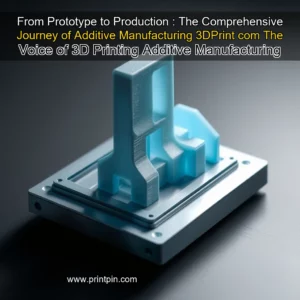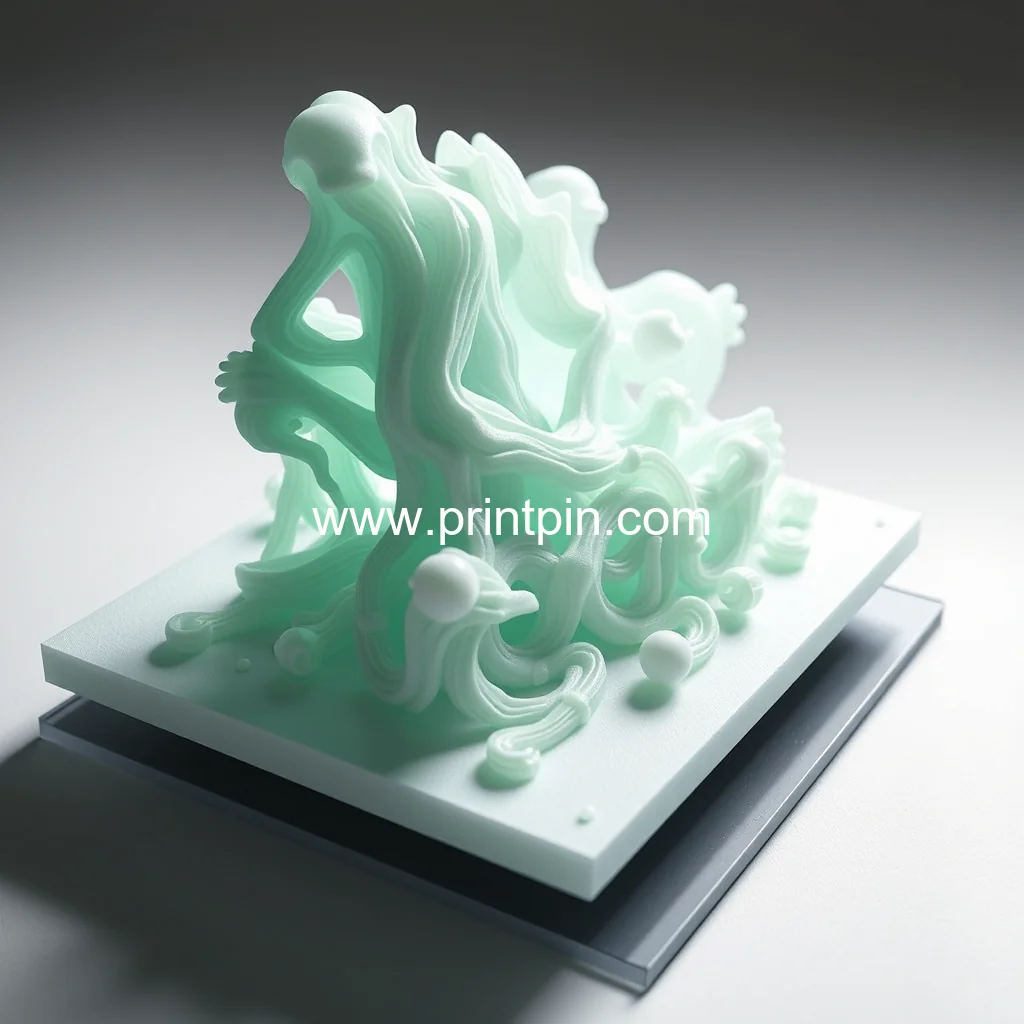
This technology enables the 3D printing of complex geometries and structures with high precision and accuracy.
Upgrading Large-Format Machines with DEMEX Technology
LEAM Technologies has developed a revolutionary system called Directed Energy Material Extrusion (DEMEX), which enables the 3D printing of complex geometries and structures with high precision and accuracy.
The Challenges of Laser-Based Systems
Laser-based systems were considered due to their precision and responsiveness. However, the high cost and need for extensive safety measures made them impractical for widespread adoption.
Technical Limitations
The Rise of Alternative Technologies
As the challenges of laser-based systems became apparent, Consul and his co-founders began exploring alternative technologies. They considered various approaches, including:
Acoustic-Based Systems
Acoustic-based systems were considered due to their potential for low cost and ease of use. However, they were also limited by their inability to provide precise control and responsiveness.
Optical-Based Systems
Optical-based systems were explored due to their potential for high precision and responsiveness.
The DemEX System: Revolutionizing Manufacturing with Isotropic Strength
The DemEX system is a cutting-edge manufacturing technology that has been gaining attention in recent years due to its ability to create parts with isotropic strength. Isotropic strength refers to the uniform distribution of strength throughout a material, which is a significant advantage over traditional manufacturing methods that often result in non-uniform strength.
How Does the DemEX System Work? The DemEX system uses a combination of advanced technologies, including infrared cameras and temperature control systems, to monitor and control the temperature of the part during the manufacturing process. This allows for precise temperature control, which is essential for achieving isotropic strength. The system uses a specialized mold that is designed to optimize the temperature distribution within the part.
Harnessing the Power of 3D Printing to Unlock New Frontiers in High-Performance Materials.
The technology can be used to create complex geometries and structures that are difficult to achieve with traditional manufacturing methods.
The Revolutionary Impact of 3D Printing Technology on High-Performance Materials
Understanding the Challenges of Traditional Manufacturing
Traditional manufacturing methods often struggle to produce complex geometries and structures in high-performance materials like PEEK and carbon-fiber-filled polymers. These materials are notoriously difficult to process due to their high melting points and specific crystallization behaviors. As a result, manufacturers often rely on labor-intensive and time-consuming methods that compromise the material’s properties.
The Power of 3D Printing Technology
3D printing technology, on the other hand, offers a game-changing solution for producing complex geometries and structures in high-performance materials. This technology allows for the creation of intricate designs and patterns that would be impossible to achieve with traditional manufacturing methods. By leveraging the unique properties of 3D printing, manufacturers can produce parts with improved mechanical properties, reduced weight, and enhanced thermal management.
Key Benefits of 3D Printing with High-Performance Materials
Improved mechanical properties: 3D printing enables the creation of complex geometries that can enhance the mechanical properties of high-performance materials. Reduced weight: By optimizing the structure and material usage, 3D printing can lead to significant weight reductions, improving the overall performance of the part.
This allows for greater flexibility and customization, making it easier for users to adapt their workflow to their specific needs.
The Benefits of LEAM’s Open Approach
LEAM’s open approach to 3D printing and large-format printing has several benefits for users. Some of the advantages include:
Increased flexibility: By allowing users to integrate their existing machines with LEAM’s add-on system, users can adapt their workflow to their specific needs. Improved customization: The open approach enables users to customize their workflow to suit their specific requirements, making it easier to work with different materials and printing techniques. Enhanced collaboration: The use of a common platform like Siemens’ Industrial Edge allows for seamless collaboration between different teams and departments, reducing the need for costly and time-consuming data transfer. ## The Impact on Industry**
The Impact on Industry
LEAM’s open approach has a significant impact on the industry as a whole. Some of the key effects include:
Increased adoption: The open approach makes it easier for users to adopt new technologies and workflows, leading to increased adoption rates. Improved productivity: By allowing users to customize their workflow, LEAM’s open approach can lead to improved productivity and efficiency. Reduced costs: The use of a common platform can reduce costs associated with data transfer and integration, making it a more cost-effective solution.
A New Era for LEAM
LEAM’s participation in Formnext 2024 marked a significant milestone in the company’s history. The event, which took place in November 2024, brought together industry leaders and innovators to showcase the latest advancements in additive manufacturing.
However, LEAM is exploring ways to improve its performance with lighter-colored materials.
The Future of 3D Printing: LEAM’s Innovative Approach
LEAM, a leading company in the field of 3D printing, is revolutionizing the industry with its innovative approach to additive manufacturing. The company’s focus on developing a new system that can produce high-resolution prints with improved accuracy and speed is set to transform the way we think about 3D printing.
The Challenges of 3D Printing
Traditional 3D printing systems often struggle with achieving high-resolution prints, particularly with finer resolutions. This is due to the limitations of the current technology, which can lead to a decrease in print quality and an increase in production time.
The Benefits of LEAM for Manufacturers
LEAM offers several benefits for manufacturers, including:
Increased Efficiency: By leveraging LEAM’s capabilities, manufacturers can streamline their production processes, reducing the time and resources required to produce complex parts. Improved Quality: LEAM’s ability to produce parts with high accuracy and precision can lead to improved product quality, reducing the need for costly rework or repairs. Reduced Costs: By optimizing production processes and minimizing waste, manufacturers can reduce their overall costs and improve their bottom line. * Enhanced Productivity: LEAM’s ability to produce complex parts quickly and efficiently can enable manufacturers to increase their productivity and meet growing demand. ## The Collaborative Nature of LEAM**
The Collaborative Nature of LEAM
LEAM is often misunderstood as a competitor to traditional manufacturing methods. However, this couldn’t be further from the truth. By choosing to boost existing machines rather than competing with them, LEAM can be considered a collaborative force in 3D printing. Working Together: LEAM and traditional manufacturing methods can work together to achieve common goals, such as improving product quality and reducing costs. Complementary Capabilities: LEAM’s capabilities complement those of traditional manufacturing methods, enabling manufacturers to produce complex parts that would be difficult or impossible to produce using traditional methods alone.
All images courtesy of LEAM Technologies.
This allows for greater flexibility and customization, making it easier for users to adapt their workflow to their specific needs.
The Benefits of LEAM’s Open Approach
LEAM’s open approach to 3D printing and large-format printing has several benefits for users. Some of the advantages include:
The Impact on Industry
LEAM’s open approach has a significant impact on the industry as a whole. Some of the key effects include:
A New Era for LEAM
LEAM’s participation in Formnext 2024 marked a significant milestone in the company’s history. The event, which took place in November 2024, brought together industry leaders and innovators to showcase the latest advancements in additive manufacturing.
However, LEAM is exploring ways to improve its performance with lighter-colored materials.
The Future of 3D Printing: LEAM’s Innovative Approach
LEAM, a leading company in the field of 3D printing, is revolutionizing the industry with its innovative approach to additive manufacturing. The company’s focus on developing a new system that can produce high-resolution prints with improved accuracy and speed is set to transform the way we think about 3D printing.
The Challenges of 3D Printing
Traditional 3D printing systems often struggle with achieving high-resolution prints, particularly with finer resolutions. This is due to the limitations of the current technology, which can lead to a decrease in print quality and an increase in production time.
The Benefits of LEAM for Manufacturers
LEAM offers several benefits for manufacturers, including:
The Collaborative Nature of LEAM
LEAM is often misunderstood as a competitor to traditional manufacturing methods. However, this couldn’t be further from the truth. By choosing to boost existing machines rather than competing with them, LEAM can be considered a collaborative force in 3D printing. Working Together: LEAM and traditional manufacturing methods can work together to achieve common goals, such as improving product quality and reducing costs. Complementary Capabilities: LEAM’s capabilities complement those of traditional manufacturing methods, enabling manufacturers to produce complex parts that would be difficult or impossible to produce using traditional methods alone.
All images courtesy of LEAM Technologies.