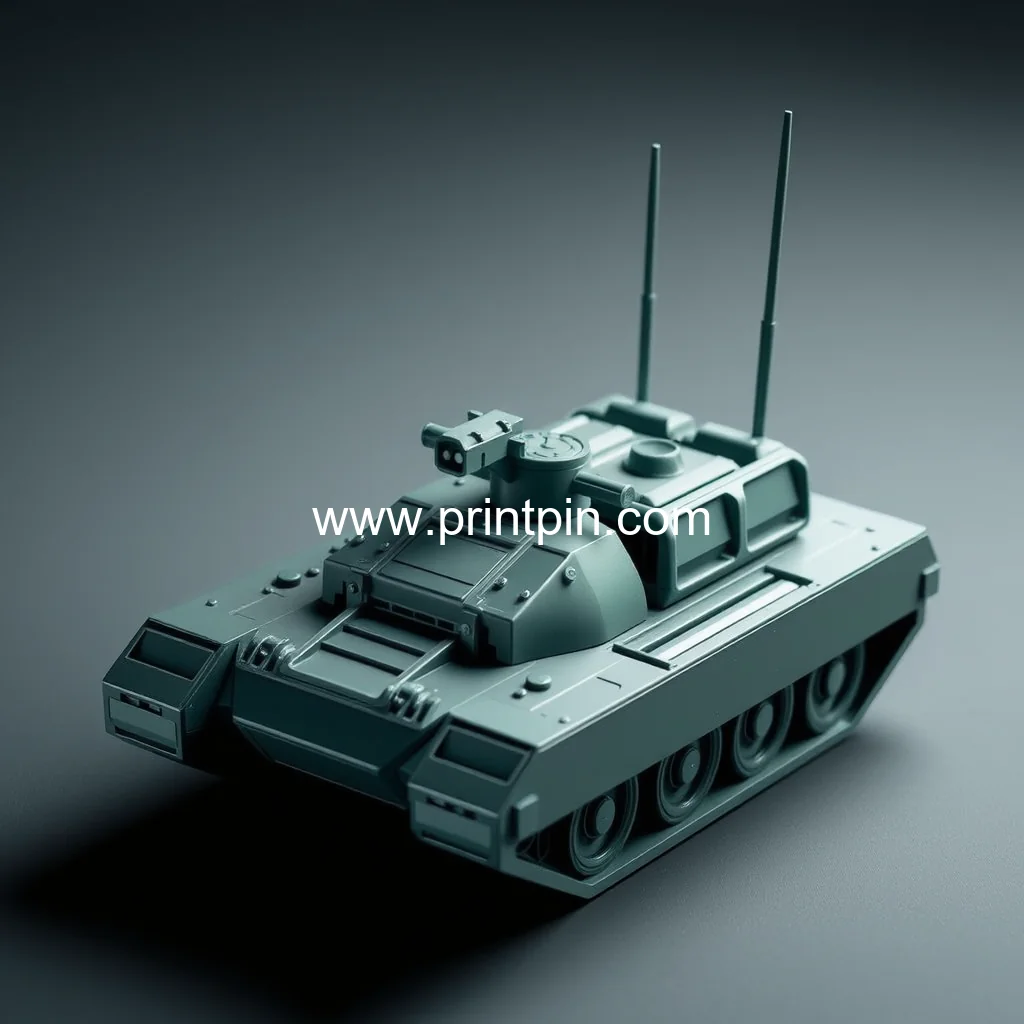
It explores the current state of the market, highlighting key trends, challenges, and opportunities.
The Current State of Additive Manufacturing in Military and Defense
The military and defense sectors have been increasingly adopting additive manufacturing (AM) technologies in recent years. This shift is driven by the need for rapid prototyping, reduced lead times, and the ability to produce complex geometries. The study highlights the growing importance of AM in the development of new military equipment, such as aircraft, drones, and armored vehicles.
Harnessing AI to Revolutionize Defense Strategies and Operations.
The Future of Defense: Unlocking the Potential of Artificial Intelligence
The report’s primary focus is on the transformative power of Artificial Intelligence (AI) in the defense sector. AI has the potential to revolutionize the way defense contractors, technology providers, and policymakers approach national security challenges. The report highlights the opportunities that lie ahead for these stakeholders, encouraging them to take proactive steps to harness AI’s capabilities.
Understanding the Current State of AI in Defense
The current state of AI in defense is characterized by a mix of innovation and challenges. While significant advancements have been made in areas such as machine learning, natural language processing, and computer vision, there are still many hurdles to overcome.
The report highlights the potential for additive manufacturing to enhance the effectiveness of military operations, improve supply chain resilience, and reduce costs.
The Future of Additive Manufacturing in Defense
The 2024 report emphasizes the importance of embracing innovation and adapting to the rapidly evolving landscape of additive manufacturing in the defense sector. As AM technologies continue to advance, their integration into military operations will have a significant impact on strategic capabilities and the defense supply chain.