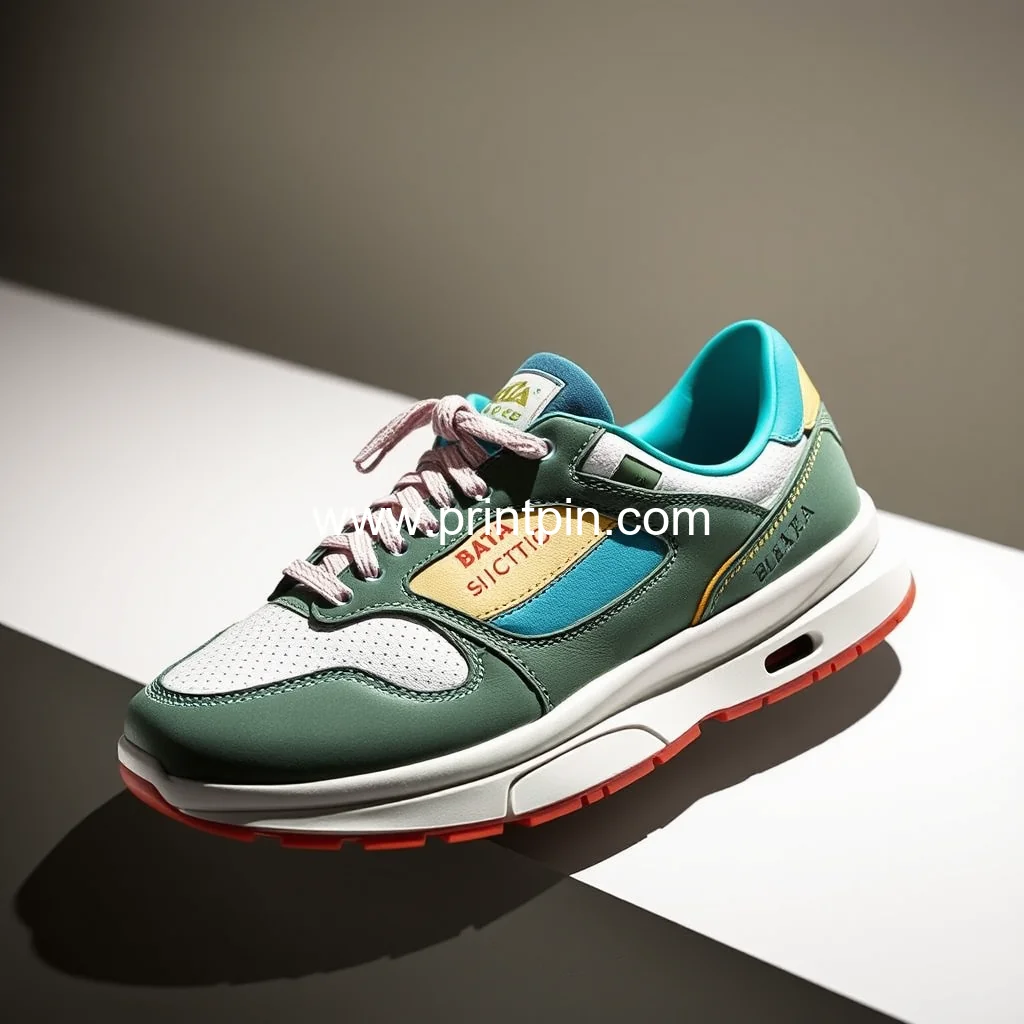
The Rise of Artist-Sneaker Collaborations
In the early 2000s, sneaker culture began to gain mainstream recognition. Brands like Nike and Adidas started collaborating with artists, resulting in limited-edition releases that became highly sought after by sneaker enthusiasts. These early collaborations were often driven by the desire to create unique, high-end products that appealed to a specific audience. Key characteristics of early artist-sneaker collaborations: + Limited production runs + High-end materials and craftsmanship + Unique designs and colorways + Often featured in high-end fashion magazines and online forums As the popularity of sneaker culture grew, so did the number of collaborations between artists and brands. Today, these partnerships are a staple of the sneaker industry, with many brands releasing multiple collaborations per year.
The Evolution of Artist-Sneaker Collaborations
Over the years, artist-sneaker collaborations have evolved significantly.
The Evolution of Sneakers as a Cultural Phenomenon
Sneakers have come a long way since their humble beginnings as a functional footwear option. Over the years, they have evolved into a cultural phenomenon, transcending their original purpose to become a staple in the world of fashion and art. This transformation can be attributed to several factors, including the rise of streetwear, social media, and the increasing visibility of sneakers in high-end fashion.
The Rise of Streetwear
Streetwear has played a significant role in the evolution of sneakers as a cultural phenomenon. This subculture emerged in the 1980s and 1990s, characterized by its casual, laid-back aesthetic and its focus on self-expression. Streetwear brands like Supreme, Stussy, and Bape (A Bathing Ape) became synonymous with the movement, and their sneakers quickly gained popularity among young people. Key characteristics of streetwear: + Casual, laid-back aesthetic + Focus on self-expression + Often features bold graphics and logos + Typically targets a younger demographic
The Impact of Social Media
Social media has had a profound impact on the evolution of sneakers as a cultural phenomenon. Platforms like Instagram, TikTok, and YouTube have created a global community of sneaker enthusiasts, who share and showcase their love for sneakers. This has led to a surge in demand for limited-edition sneakers, which have become highly sought after by collectors and fashion enthusiasts alike.
The Art of the Everyday
The exhibition challenges the traditional notion of art as something exclusive to galleries and museums. It presents a diverse range of artworks that can be found in everyday life, from street art to fashion, and from home decor to industrial design. By showcasing these often-overlooked forms of art, the exhibition encourages viewers to see the world in a new light. Examples of everyday art include: + Street art in urban environments + Fashion designs that incorporate art elements + Home decor items that double as art pieces + Industrial design that prioritizes aesthetics over functionality
The Intersection of Art and Commerce
The exhibition also explores the intersection of art and commerce, highlighting the ways in which art can be both a product of the market and a reflection of the human experience. By examining the role of art in advertising, branding, and consumer culture, the exhibition reveals the complex relationships between art, commerce, and society. Key aspects of the intersection of art and commerce include: + The use of art in advertising and branding + The commodification of art and the art market + The impact of consumer culture on the art world
The Power of Art to Challenge and Inspire
The exhibition demonstrates the power of art to challenge and inspire individuals, communities, and societies.