Revolutionizing the Construction Industry
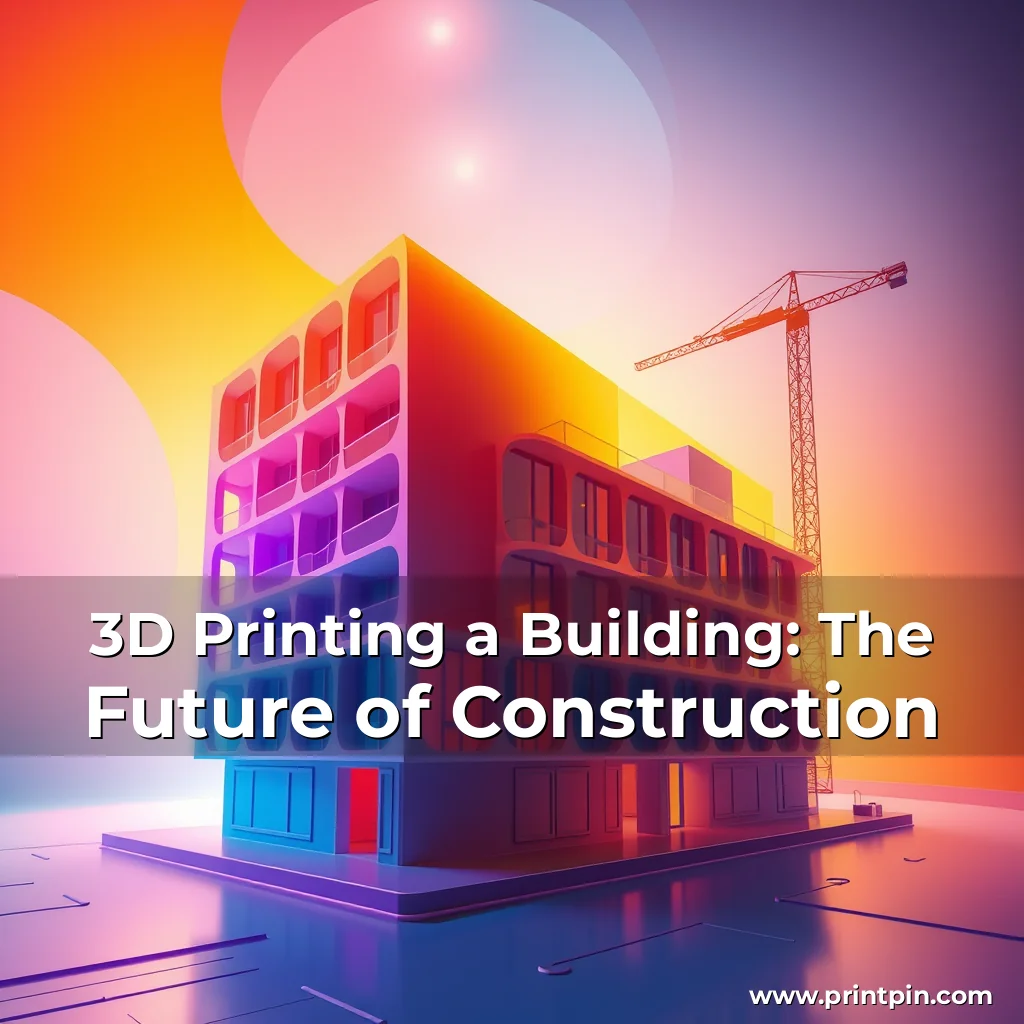
The world of 3D technology has been around for many years, and we’ve seen its impact on various industries, from healthcare to aerospace. However, what’s new and exciting is the application of 3D printing in building construction. The recent construction of a 3D printed Starbucks in Brownsville, Texas, marks a significant milestone in this emerging field.
- Peri 3D Construction, a company based in Bavaria, Germany, has been at the forefront of 3D printing technology for years.
- The company has built numerous projects worldwide using 3D printing, including homes, bridges, and even entire buildings.
The Benefits of 3D Printing in Construction
1. Speed and Efficiency
* 3D printing allows for rapid construction, reducing the time and labor required for traditional building methods. * This is particularly beneficial for large-scale projects, such as skyscrapers or commercial buildings. 2. Cost Savings
* 3D printing reduces the need for traditional materials and labor, resulting in significant cost savings. * This can be especially beneficial for projects with complex geometries or hard-to-reach locations. 3. Environmental Benefits
* 3D printing uses less energy and produces fewer emissions than traditional construction methods. * This can help reduce the environmental impact of construction projects. A New Era in Building Construction
The recent construction of the 3D printed Starbucks in Brownsville, Texas, marks a significant milestone in the application of 3D printing in building construction. This project demonstrates the potential of 3D printing to revolutionize the construction industry.
| Project Details | Peri 3D Construction |
| Location | Brownsville, Texas |
| Cost | $1.2 million |
| Grand Opening Date | April 28th |
Design and Engineering
The design and engineering process for the 3D printed Starbucks involved several key considerations:
1. Structural Integrity
* The building’s structure had to be designed to withstand external forces, such as wind and weather. * This required careful consideration of factors such as material selection and load-bearing capacity. 2. Material Selection
* The choice of materials played a crucial role in the success of the project. * The use of a combination of materials, such as concrete and steel, provided the necessary strength and durability. 3. Design for Manufacturing
* The design had to be optimized for 3D printing, taking into account factors such as layer thickness and material properties. Challenges and Future Directions
While the construction of the 3D printed Starbucks in Brownsville, Texas, marks a significant milestone in the application of 3D printing in building construction, there are still several challenges to be addressed:
1. Scalability
* As the industry grows, it’s essential to develop scalable 3D printing technologies that can accommodate large-scale projects. * This requires significant investment in research and development. 2. Regulatory Framework
* The regulatory framework for 3D printing in construction is still evolving. * It’s essential to develop clear guidelines and standards for the industry to ensure public safety and quality control. Conclusion
The construction of the 3D printed Starbucks in Brownsville, Texas, marks a significant milestone in the application of 3D printing in building construction. As the industry continues to evolve, it’s essential to address the challenges and opportunities that arise. With continued investment in research and development, 3D printing has the potential to revolutionize the construction industry, making it faster, more efficient, and more sustainable.