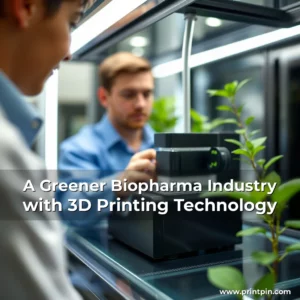
The Evolution and Impact of 3D Printed Parts in Modern Manufacturing
In recent years, 3D printing has emerged as a revolutionary force in manufacturing, reshaping industries from aerospace to healthcare. This technology enables the creation of intricate components that were once deemed impossible using traditional methods.
As we delve deeper into the world of 3D printed parts, it becomes clear how they are not merely an alternative but a transformative tool redefining production processes globally.
Understanding 3D Printing Technology
At its core, 3D printing involves layer-by-layer construction of objects based on digital models. This process allows for complex geometries that conventional techniques cannot achieve.
Different types of 3D printers exist, each utilizing distinct materials such as plastics, metals, and even composites. These variations cater to diverse applications ranging from prototyping to end-use parts.
- Fused Deposition Modeling (FDM): Utilizes thermoplastic filaments melted through a heated nozzle to build layers sequentially.
- Selective Laser Sintering (SLS): Employs lasers to fuse powdered material together, suitable for producing durable metal and polymer components.
The choice between these technologies depends heavily on factors including desired part strength, cost considerations, and required precision levels.
Each method offers unique advantages tailored towards specific industrial needs while also presenting limitations related to scalability and surface finish quality.
Applications Across Industries
The versatility of 3D printing extends across numerous sectors where customization and rapid prototyping are critical requirements.
Aerospace engineering benefits immensely from lightweight yet robust structures achievable via additive manufacturing techniques.
Medical field advancements have been particularly notable with customized prosthetics and implants made possible by patient-specific designs facilitated through CT scans.
Automotive manufacturers leverage this technology both for developing new vehicle prototypes quickly and creating replacement parts efficiently during mass production cycles.
Healthcare Innovations Through Additive Manufacturing
Customized dental aligners represent one area within dentistry transformed significantly by 3D printing capabilities.
Studies indicate that personalized orthodontic appliances lead to improved treatment outcomes compared to standard-sized alternatives.
Besides dental uses, bioprinting holds promise for future medical breakthroughs involving tissue regeneration and organ transplants.
This emerging field still faces challenges regarding vascularization issues necessary for functional organs; however, ongoing research continues exploring viable solutions.
Economic Implications and Market Trends
Globally, the market size for 3D printing services is projected to grow substantially over coming decades driven primarily by increasing adoption rates among SMEs and startups alike.
Rising demand from sectors like consumer goods and fashion indicates broader acceptance beyond initial technical niches associated with high-tech industries.
Countries investing heavily in R&D initiatives surrounding AM technologies stand poised to capture significant shares in upcoming competitive landscapes.
With governments recognizing strategic value inherent in domestic manufacturing capabilities enabled through localized production networks built around additive systems.
Sustainability Aspects Of Using 3D Printed Components
One compelling advantage offered by adopting 3D printing lies in reduced environmental impact due mainly to minimized waste generation compared against subtractive machining approaches.
Traditional manufacturing often results in substantial amounts of scrap material being discarded which contrasts sharply with near-zero waste principles observed during deposition-based fabrication.
Moreover, transportation costs decrease notably when localised production centers replace centralized facilities located far away from consumers’ locations.
By enabling distributed manufacturing models, companies can reduce their carbon footprint significantly while maintaining supply chain flexibility.
Challenges And Limitations Facing Adoption Rates
Despite its many benefits, widespread implementation encounters several hurdles primarily concerning speed limitations imposed upon current printer technologies.
Production times remain relatively slow especially when dealing with larger scale operations requiring consistent output volumes comparable those achieved traditionally.
Material constraints also pose challenges since available options currently lack certain properties found naturally occurring substances used extensively throughout various fields.
Ongoing innovations aim at overcoming these barriers though there remains considerable work ahead before full integration becomes feasible everywhere simultaneously.
Future Prospects For Advancements In 3D Printing Technologies
Predictions suggest continued improvements expected in areas such as increased printing speeds alongside enhanced multi-material support features becoming increasingly commonplace soon.
Integration with AI-driven design tools promises further enhancements allowing automated optimization routines applied automatically whenever designing new products digitally first.
Emerging trends highlight potential roles played by quantum computing influencing development trajectories shaping next-generation machines capable executing tasks previously unimaginable today.
These developments collectively paint optimistic pictures indicating substantial transformations likely unfolding shortly impacting virtually every aspect connected remotely or closely linked directly onto physical world itself.
Conclusion
From revolutionizing product development timelines to fostering sustainable practices beneficial environmentally friendly operations worldwide, 3D printed parts indeed signify pivotal shifts happening now across multitude domains.
Embracing these changes thoughtfully ensures organizations stay competitive amidst rapidly evolving technological landscapes characterized continuously changing expectations set forth constantly innovating societies globally.