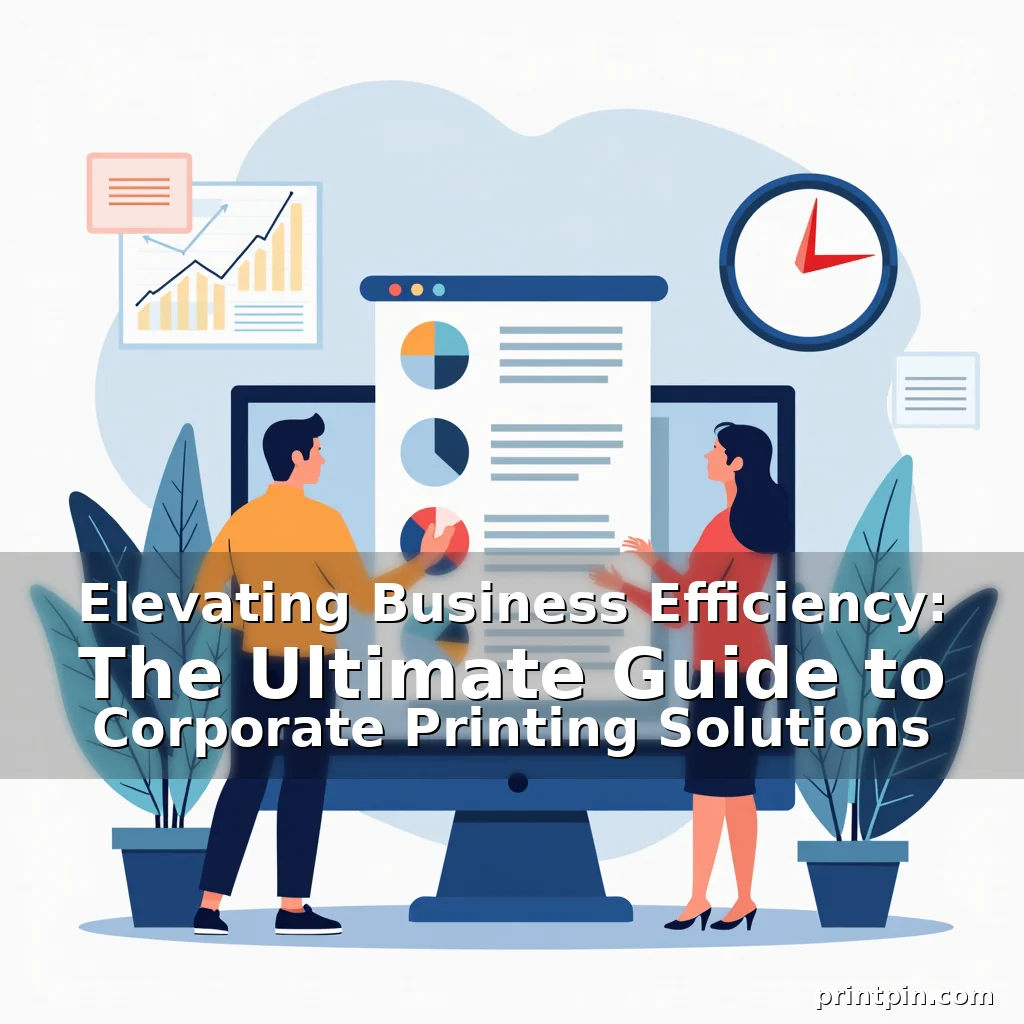
Elevating Business Efficiency: The Ultimate Guide to Corporate Printing Solutions
In today’s fast-paced corporate environment, effective communication and professional presentation are non-negotiable aspects of success. Corporate printing solutions serve as the backbone of this process, enabling organizations to produce high-quality documents, marketing materials, and internal resources efficiently.
From boardroom presentations to client-facing materials, having robust printing infrastructure ensures that your organization maintains a consistent brand image and operational excellence across all touchpoints.
The Importance of Strategic Corporate Printing Solutions
Corporate printing goes beyond merely producing documents; it encompasses everything from branding consistency to ensuring seamless workflow across departments. A well-planned printing strategy allows companies to streamline operations while reinforcing their market presence.
Brand Consistency: Every printed piece—be it brochures, invoices, or packaging—should reflect the company’s visual identity. This uniformity strengthens recognition and trust among customers.
Operational Efficiency: Modern corporate printing solutions integrate seamlessly with existing IT systems, reducing manual processes and minimizing errors during document creation and distribution.
Data Security: With sensitive documents frequently handled, secure printing solutions ensure confidentiality through encrypted transmission, access controls, and audit trails.
- Cutting Costs: By adopting managed print services and optimizing printer usage, businesses can significantly reduce unnecessary expenses related to consumables, maintenance, and energy consumption.
- Enhancing Productivity: Reliable, high-speed printers equipped with advanced scanning and copying functions allow employees to complete tasks faster, freeing up time for strategic work.
- Sustainability Initiatives: Eco-friendly printing options enable corporations to align with environmental standards, promoting green initiatives and improving public perception.
Diverse Types of Corporate Printing Solutions
Depending on organizational size and industry-specific needs, there are several categories of printing solutions available. These include office printers, large-format equipment, digital signage, and specialized manufacturing-grade machines tailored for industrial use.
Office printers form the core of most corporate environments. They range from basic monochrome laser models suitable for routine document production to color multifunction devices capable of handling complex tasks like photo-quality prints, duplex scanning, and mobile printing via apps.
Large-Format Printing Options
Industries requiring oversized outputs—such as construction firms needing blueprints or advertising agencies designing billboards—rely heavily on wide-format inkjet and UV flatbed printers. These units provide exceptional resolution at sizes exceeding standard office dimensions.
Recent advancements have made large-scale printing more accessible than ever before. For example, some manufacturers now offer modular systems where additional modules can be added later based on evolving demands rather than investing upfront in full-sized machinery.
Digital Signage Systems
Beyond static posters, many enterprises utilize dynamic electronic displays throughout their premises. Digital signage offers real-time updates about events, promotions, directions, and other interactive content without requiring physical reprints every time changes occur.
Integration with CRM platforms enables personalized messaging targeted specifically towards different segments within an audience. Such targeted approaches increase engagement levels dramatically compared to traditional methods.
Cost-Efficient Approaches to Corporate Printing
Avoiding costly missteps begins with assessing current printing habits thoroughly. Understanding which materials get used most often helps identify areas where investments may yield better returns over time instead of spreading budgets thinly across low-impact items.
Managed Print Services: Outsourcing day-to-day management responsibilities reduces overhead costs associated with staffing dedicated teams solely focused on administrative duties surrounding print operations.
Purchasing Decisions: Buying refurbished or lease-based equipment proves economically advantageous especially when considering depreciation rates versus rental fees spread out over longer periods.
Leveraging Cloud-Based Technologies
Cloud-connected printing solutions allow users anywhere to send files securely from any device connected to internet networks. This flexibility supports remote working arrangements becoming increasingly common nowadays particularly post-pandemic scenarios.
Additionally, cloud platforms facilitate automated tracking mechanisms that monitor toner levels remotely thus preventing unexpected shortages mid-print job thereby saving both money and downtime caused due to last-minute replacements.
Selecting the Right Corporate Printer Provider
Finding a trustworthy supplier involves researching extensively online alongside seeking recommendations from peers operating similarly scaled businesses within comparable sectors.
Considerations must extend beyond initial price tags since long-term value derived depends greatly upon after-sales service quality including prompt response times during emergencies coupled with proactive maintenance schedules aimed at avoiding breakdowns altogether.
Evaluating Vendor Reputation
Reputable vendors typically maintain transparent pricing structures devoid of hidden charges unless clearly communicated beforehand. Their websites usually feature clear FAQs addressing common concerns regarding warranty terms, return policies etc.
Checking independent review sites along side social media comments gives insight into actual experiences others had dealing directly with particular service providers giving unbiased perspectives useful prior committing financially.
Technological Advancements Shaping Future Trends
Rapid developments continue transforming conventional notions around what constitutes “print.” Innovations such as 3D printing open new avenues allowing prototyping physical objects digitally before mass production starts significantly cutting lead times involved traditionally required.
Augmented reality overlays combined with QR codes embedded onto printed matter
Cost-Efficient Approaches to Corporate Printing
Avoiding costly missteps begins with assessing current printing habits thoroughly. Understanding which materials get used most often helps identify areas where investments may yield better returns over time instead of spreading budgets thinly across low-impact items.
Managed Print Services: Outsourcing day-to-day management responsibilities reduces overhead costs associated with staffing dedicated teams solely focused on administrative duties surrounding print operations.
Purchasing Decisions: Buying refurbished or lease-based equipment proves economically advantageous especially when considering depreciation rates versus rental fees spread out over longer periods.
Leveraging Cloud-Based Technologies
Cloud-connected printing solutions allow users anywhere to send files securely from any device connected to internet networks. This flexibility supports remote working arrangements becoming increasingly common nowadays particularly post-pandemic scenarios.
Additionally, cloud platforms facilitate automated tracking mechanisms that monitor toner levels remotely thus preventing unexpected shortages mid-print job thereby saving both money and downtime caused due to last-minute replacements.
Selecting the Right Corporate Printer Provider
Finding a trustworthy supplier involves researching extensively online alongside seeking recommendations from peers operating similarly scaled businesses within comparable sectors.
Considerations must extend beyond initial price tags since long-term value derived depends greatly upon after-sales service quality including prompt response times during emergencies coupled with proactive maintenance schedules aimed at avoiding breakdowns altogether.
Evaluating Vendor Reputation
Reputable vendors typically maintain transparent pricing structures devoid of hidden charges unless clearly communicated beforehand. Their websites usually feature clear FAQs addressing common concerns regarding warranty terms, return policies etc.
Checking independent review sites along side social media comments gives insight into actual experiences others had dealing directly with particular service providers giving unbiased perspectives useful prior committing financially.
Technological Advancements Shaping Future Trends
Rapid developments continue transforming conventional notions around what constitutes “print.” Innovations such as 3D printing open new avenues allowing prototyping physical objects digitally before mass production starts significantly cutting lead times involved traditionally required.
Augmented reality overlays combined with QR codes embedded onto printed matter create immersive experiences where viewers interact virtually with products showcased physically enhancing overall consumer engagement metrics substantially higher than passive viewing alone achieves.
Smart Office Ecosystem Integration
Modern printers now connect effortlessly into broader smart office ecosystems involving voice assistants, scheduling calendars, project management tools etc., facilitating smarter decision-making through integrated analytics showing utilization patterns helping optimize future purchases accordingly.
This level interconnectivity also improves collaboration amongst geographically dispersed teams because everyone accesses shared repositories simultaneously regardless location differences eliminating duplication efforts previously wasted manually sharing versions separately.
Ensuring Security Through Robust Protocols
With cyber threats growing increasingly sophisticated daily, securing data traversing through networked printers becomes paramount consideration. Implementing strong authentication measures prevents unauthorized access attempts attempting compromise sensitive information stored temporarily inside devices’ memory caches.
Encryption protocols applied during file transfers protect against interception risks occurring externally whereas internal safeguards prevent malicious actors exploiting vulnerabilities locally present within hardware components themselves.
Compliance & Audit Trails
Maintaining strict adherence to regulatory guidelines pertinent local jurisdictions applies equally whether dealing internally “`