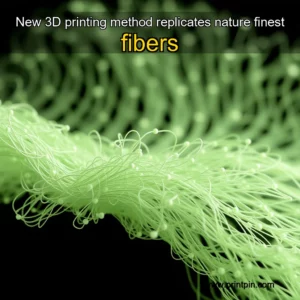
Digital Printing Revolutionizes Textile Production with Increased Design Flexibility and Reduced Costs.
This process has revolutionized the way textiles are produced, offering numerous benefits and opportunities for designers and manufacturers.
The Rise of Digital Printing in the Textile Industry
The textile industry has undergone significant transformations in recent years, driven by advancements in technology. One of the most notable developments is the rise of digital printing, which has transformed the way textiles are produced. Digital printing allows for the direct application of ink onto fabric, eliminating the need for physical screens, stencils, or molds.
Benefits of Digital Printing
Digital printing offers several benefits for designers and manufacturers. Some of the key advantages include:
The Benefits of Digital Printing for Textile Manufacturers
Digital printing offers several benefits for textile manufacturers, including:
These machines use advanced sensors and algorithms to monitor and control the dyeing process, ensuring that the desired color and shade are achieved while minimizing waste and environmental impact.
The Rise of Digital Dyeing
The textile industry has long been a significant contributor to environmental pollution, with traditional dyeing processes being a major culprit. The use of large amounts of water and energy, as well as the release of toxic chemicals, has made the industry a major concern for environmentalists and consumers alike.
Benefits of Digital Dyeing
Case Study: Digital Dyeing in the Fashion Industry
The fashion industry is one of the first to adopt digital dyeing technology, with many major brands already incorporating it into their production processes.
For consumers, it’s about enjoying a more sustainable and eco-friendly product.
The Benefits of Low-Temperature Dyeing Machines
Low-temperature dyeing machines have revolutionized the textile industry by providing a more sustainable and energy-efficient way to dye fabrics. This technology has numerous benefits for manufacturers, consumers, and the environment.
Energy Efficiency
Environmental Impact
The Environmental Impact of Digital Printing
Digital printing has several environmental advantages over traditional dyeing processes. One of the most significant benefits is the reduction in water usage.
Water Conservation
Energy Efficiency
This integration has led to increased efficiency, reduced waste, and improved product quality.
The Rise of AI-Powered Digital Printing Machines
The integration of AI and automation in digital printing and dyeing machines has revolutionized the industry.
3D printing can also be used to create customized products for specific industries such as aerospace, automotive, and healthcare.
Introduction
The world of manufacturing has undergone significant transformations in recent years, driven by technological advancements and the increasing demand for efficiency and productivity.
This technology has the potential to revolutionize the way we think about color and its applications in various industries.
The Future of Color in 3D Printing
Understanding the Basics of 3D Printing
3D printing is a process that involves creating objects from digital designs by layering materials such as plastics, metals, and ceramics. The technology has been around for several decades, but recent advancements have made it more accessible and affordable for various industries. One of the key aspects of 3D printing is its ability to manipulate the printing process on a three-dimensional scale.
The Potential of Color in 3D Printing
Color is a fundamental aspect of design and can greatly impact the aesthetic appeal of a product. However, traditional 2D printing methods have limitations when it comes to color manipulation. 3D printing, on the other hand, offers a new level of complexity and creativity when it comes to color. By manipulating the printing process, manufacturers can create layered designs that respond to light or change color based on environmental factors.
Epson’s focus on innovation and customer satisfaction has led to significant advancements in the industry.
The Rise of Digital Printing
Digital printing has experienced tremendous growth in recent years, driven by advancements in technology and changing consumer demands. The industry has witnessed a significant shift towards digital printing, with many companies adopting this method for its numerous benefits. Key advantages of digital printing include:
- High-quality prints with precise color accuracy
- Fast production times, ideal for short-run orders
- Environmentally friendly, reducing waste and energy consumption
- Flexibility in printing on various materials, including fabric, paper, and more
- The SureColor P800, a high-end photo printer with exceptional color accuracy
- The WorkForce Pro WF-7720, a versatile all-in-one printer for home and office use
- The EcoTank ET-2750, an eco-friendly printer that reduces waste and energy consumption
- High upfront costs: The initial investment required to purchase digital textile printing equipment can be prohibitively expensive for many small and medium-sized enterprises (SMEs). Limited color gamut: Digital textile printing often has a limited color gamut compared to traditional printing methods, which can result in less vibrant and less accurate colors. Ink costs: The cost of digital textile printing ink can be high, which can make it difficult for SMEs to compete with larger manufacturers. * Scalability: Digital textile printing can be difficult to scale up to meet the demands of large orders, which can be a challenge for SMEs. ## Benefits of Digital Textile Printing**
- Increased design flexibility: Digital textile printing allows for a wide range of design options, including complex patterns and images. Reduced minimum order quantities: Digital textile printing enables SMEs to produce small orders, which can be beneficial for niche markets and custom orders.
Here are some of the key trends and innovations shaping the industry.
The Rise of Digital Printing
Digital printing has been gaining momentum in recent years, and it’s easy to see why. With the ability to print on demand, digital printing offers a level of flexibility and customization that traditional offset printing can’t match. Here are some of the benefits of digital printing:
- On-demand printing: Digital printing allows for printing on demand, which means that you can print as many or as few copies as you need, without having to worry about inventory or storage.
The industry is witnessing a shift towards more efficient and sustainable production methods, with a growing focus on digital printing and dyeing.
The Rise of Digital Printing and Dyeing
The digital printing and dyeing market is experiencing a significant surge in demand, driven by the increasing adoption of digital printing technology in various industries such as textiles, fashion, and packaging. This technology allows for the direct printing of designs onto fabrics, eliminating the need for traditional printing methods. Key benefits of digital printing and dyeing include:
- High-quality prints with precise color control
- Reduced waste and environmental impact
- Increased flexibility and customization options
- Faster production times and lower costs
The Impact of Digital Printing and Dyeing on the Industry
The adoption of digital printing and dyeing technology is having a profound impact on the industry, with far-reaching consequences for manufacturers, suppliers, and consumers.
- On-demand printing: Digital printing allows for printing on demand, which means that you can print as many or as few copies as you need, without having to worry about inventory or storage.
Epson’s Commitment to Innovation
Epson has been at the forefront of digital printing innovation, consistently pushing the boundaries of what is possible. The company’s dedication to research and development has led to the creation of cutting-edge products that cater to the evolving needs of customers. Some notable examples of Epson’s innovative products include:
Sustainability and Quality
Epson’s focus on sustainability and quality has been instrumental in driving the growth of digital printing.
These challenges include:
Challenges in Digital Textile Printing
The textile industry is facing several challenges in adopting digital textile printing. Some of the key challenges include:
Benefits of Digital Textile Printing
Despite the challenges, digital textile printing offers several benefits, including: