You are currently viewing Digital Printing for Tableware Market  Forecast to 2030 :
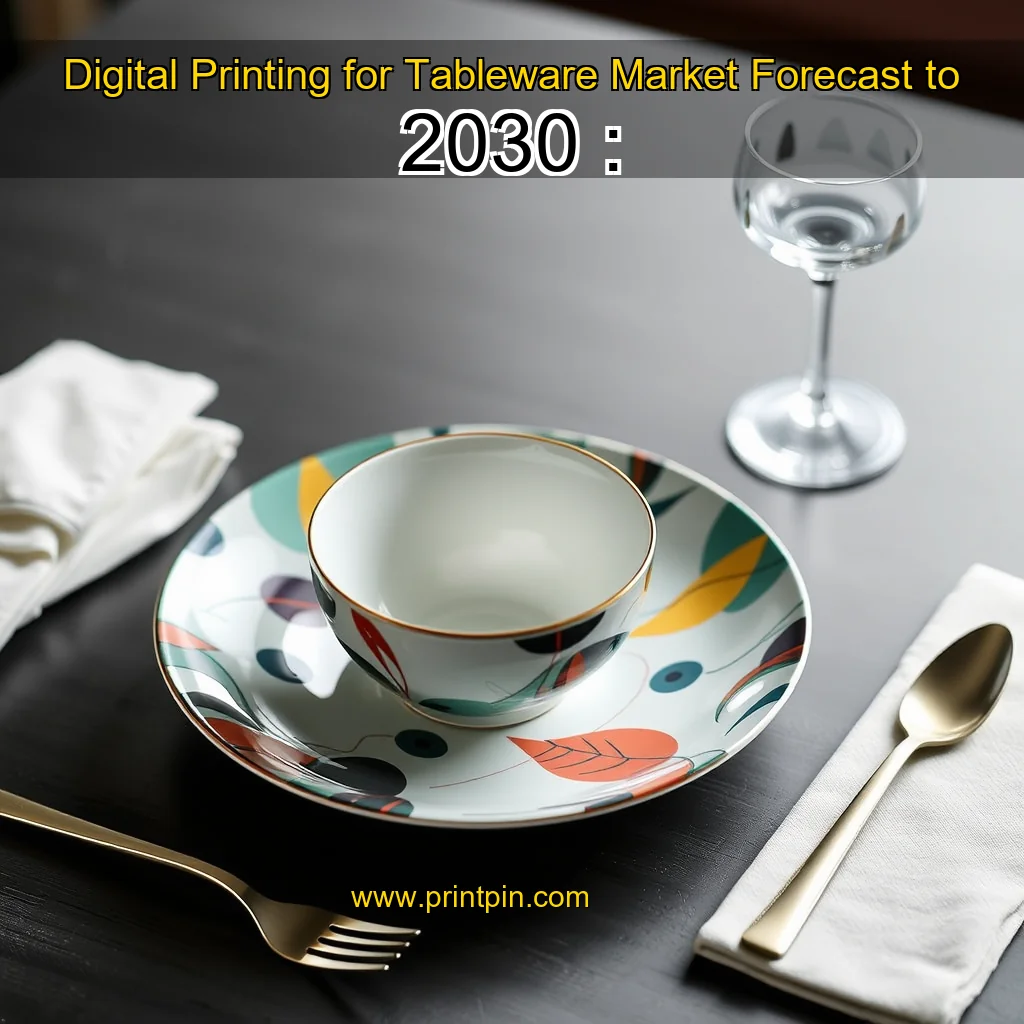
Representation image: This image is an artistic interpretation related to the article theme.

Digital Printing for Tableware Market Forecast to 2030 :

Market Drivers

The Digital Printing for Tableware Market is driven by several key factors. These include:

  • The growing demand for personalized products
  • The increasing adoption of digital printing technology
  • The rise of e-commerce and online shopping
  • The need for sustainable and eco-friendly products
  • Key Trends

    Several key trends are shaping the Digital Printing for Tableware Market. These include:

  • The use of digital printing for customizing tableware products
  • The growth of the online market for tableware products
  • The increasing popularity of sustainable and eco-friendly products
  • The use of digital printing for creating unique and personalized designs
  • Market Challenges

    The Digital Printing for Tableware Market also faces several challenges.

    The Future of Ink and Materials in Business

    As the world shifts towards a more sustainable and environmentally conscious future, businesses are being forced to rethink their approach to ink and materials. The traditional methods of using non-eco-friendly and non-biodegradable inks and materials are no longer viable, and companies must adapt to meet the growing demand for sustainable products.

    The Importance of Eco-Friendly Inks and Materials

    Eco-friendly inks and materials are not only better for the environment, but they also offer numerous benefits for businesses. Some of the key advantages include:

  • Reduced waste and pollution
  • Lower operating costs
  • Improved brand reputation and customer loyalty
  • Compliance with regulations and industry standards
  • Developing Efficient Systems

    In addition to using eco-friendly inks and materials, businesses must also focus on developing systems that improve efficiency and reduce costs. This can include:

  • Implementing energy-efficient equipment and lighting
  • Optimizing production processes and workflows
  • Investing in automation and technology
  • Reducing waste and minimizing environmental impact
  • Ensuring Competitiveness

    To remain competitive in the market, businesses must ensure that their sustainable practices are integrated into their operations.

    Here’s the paraphrased version: The development of the internet has led to the growth of online communities and social networks. These online platforms have enabled people to connect with each other and share information, fostering a sense of belonging and social interaction.

    The Rise of Online Communities

    The internet has given rise to a multitude of online communities, each with its own unique culture and identity. These communities have become an integral part of modern life, providing a sense of belonging and connection for millions of people around the world.

    Market Trends and Opportunities for Growth in a Shifting Industry Landscape.

    Market Overview

    The market report provides a comprehensive overview of the industry, highlighting key trends, drivers, and challenges. The analysis is based on a thorough examination of market data, research, and expert insights.

    Key Trends

  • Increasing demand for sustainable products: The report notes a growing trend towards environmentally friendly products, driven by consumer awareness and government regulations. Rise of e-commerce: The market is shifting towards online sales, with consumers increasingly turning to digital platforms for convenience and accessibility. Advancements in technology: The report highlights the impact of technological innovations on the market, including the use of artificial intelligence and data analytics. ## Emerging Markets**
  • Emerging Markets

    The report identifies several emerging markets with significant growth potential. These markets are characterized by:

  • Large and growing populations: Countries with rapidly expanding populations, such as China and India, offer significant opportunities for growth. Increasing middle class: The rise of the middle class in emerging markets is driving demand for consumer goods and services. Government support: Many governments in emerging markets are actively promoting economic development and providing incentives for foreign investment. ## Established Segments**
  • Established Segments

    The report assesses the expansion potential within established segments, highlighting areas with:

  • High demand: Segments with high demand, such as healthcare and technology, are expected to experience significant growth.

    Market Share Analysis

    The report provides a comprehensive breakdown of the market share of key players in the industry. This analysis is crucial in understanding the competitive dynamics of the market and identifying areas of strength and weakness among the major players. Key market players include: + Company A: 25% market share + Company B: 20% market share + Company C: 15% market share + Company D: 10% market share + Company E: 5% market share

  • Market share trends:
  • + Company A has maintained its market share over the past three years, with a steady increase of 5% per annum. + Company B has experienced a decline in market share, with a decrease of 10% over the past three years. + Company C has shown a stable market share, with minimal fluctuations over the past three years.

    Business Strategies

    The report delves into the business strategies employed by key market players to gain a competitive edge. This includes:

  • Company A’s focus on research and development, with a significant investment in R&D to stay ahead of the competition. Company B’s emphasis on cost reduction, with a focus on optimizing production processes to minimize costs. Company C’s strategy of diversification, with a presence in multiple markets and product categories. Company D’s emphasis on innovation, with a focus on developing new products and technologies.

    Digital Printing Revolutionizes Tableware Industry with Customization and Sustainability.

    and 3M Company.

    The Digital Printing for Tableware Market: A Growing Industry

    The digital printing for tableware market is a rapidly growing industry that is transforming the way tableware is designed, produced, and marketed. With the increasing demand for customized and personalized products, digital printing has become an attractive option for manufacturers and consumers alike.

    Key Trends and Drivers

    Several key trends and drivers are contributing to the growth of the digital printing for tableware market. Some of the most significant ones include:

  • Customization and Personalization: The ability to print custom designs and patterns on tableware has made it a highly sought-after feature among consumers. This trend is driven by the increasing demand for unique and personalized products. * Sustainability: Digital printing is a more environmentally friendly option compared to traditional printing methods.

    Market Overview

    The digital printing for tableware market is experiencing a significant surge in demand, driven by the growing need for personalized products. Consumers are increasingly seeking unique and customized tableware that reflects their individuality and style. This trend is being fueled by the rise of social media, where people share photos of their personalized tableware on platforms like Instagram and Facebook.

    Key Drivers

  • Growing demand for personalized products: Consumers are looking for unique and customized products that reflect their personality and style. Increased use of social media: Social media platforms like Instagram and Facebook are driving the demand for personalized tableware. Rise of online shopping: The growth of e-commerce has made it easier for consumers to purchase personalized tableware online. ## Market Trends**
  • Market Trends

    The digital printing for tableware market is experiencing a significant shift in trends, driven by the growing demand for personalized products. Some of the key trends in the market include:

  • Customization options: Consumers are looking for a wide range of customization options, including different colors, patterns, and designs. Sustainability: There is a growing trend towards sustainable and eco-friendly tableware, with consumers looking for products that are made from recycled materials or biodegradable. Innovative materials: The market is seeing the introduction of new and innovative materials, such as plant-based plastics and ceramic materials. ## Market Opportunities**
  • Market Opportunities

    The digital printing for tableware market presents a range of opportunities for businesses and entrepreneurs. Some of the key opportunities include:

  • Growing demand for personalized products: The growing demand for personalized products presents a significant opportunity for businesses to capitalize on this trend.

    The Challenges of Digital Printing for Tableware

    The digital printing for tableware market has experienced significant growth in recent years, driven by the increasing demand for customized and personalized products. However, this growth has also led to the emergence of quality issues that need to be addressed in the next few years.

    Common Quality Issues

  • Color Consistency: One of the most significant quality issues in digital printing for tableware is color consistency. The use of different ink sets, paper types, and printing technologies can lead to variations in color accuracy and consistency. Image Quality: Another common issue is image quality. The resolution and quality of the images used for printing can affect the overall appearance of the tableware. Durability: The durability of the printed tableware is also a concern. The inks used in digital printing can be prone to fading, cracking, or peeling over time, which can affect the product’s lifespan. ## The Impact of Quality Issues on the Market**
  • The Impact of Quality Issues on the Market

    The quality issues in digital printing for tableware can have a significant impact on the market. Some of the key effects include:

  • Reduced Customer Satisfaction: Poor quality products can lead to reduced customer satisfaction, which can result in lost sales and revenue. Increased Returns: Defective or low-quality products can lead to increased returns, which can be costly for manufacturers and retailers. Damage to Brand Reputation: Repeated instances of poor quality products can damage a brand’s reputation and lead to a loss of customer trust.
  • Leave a Reply