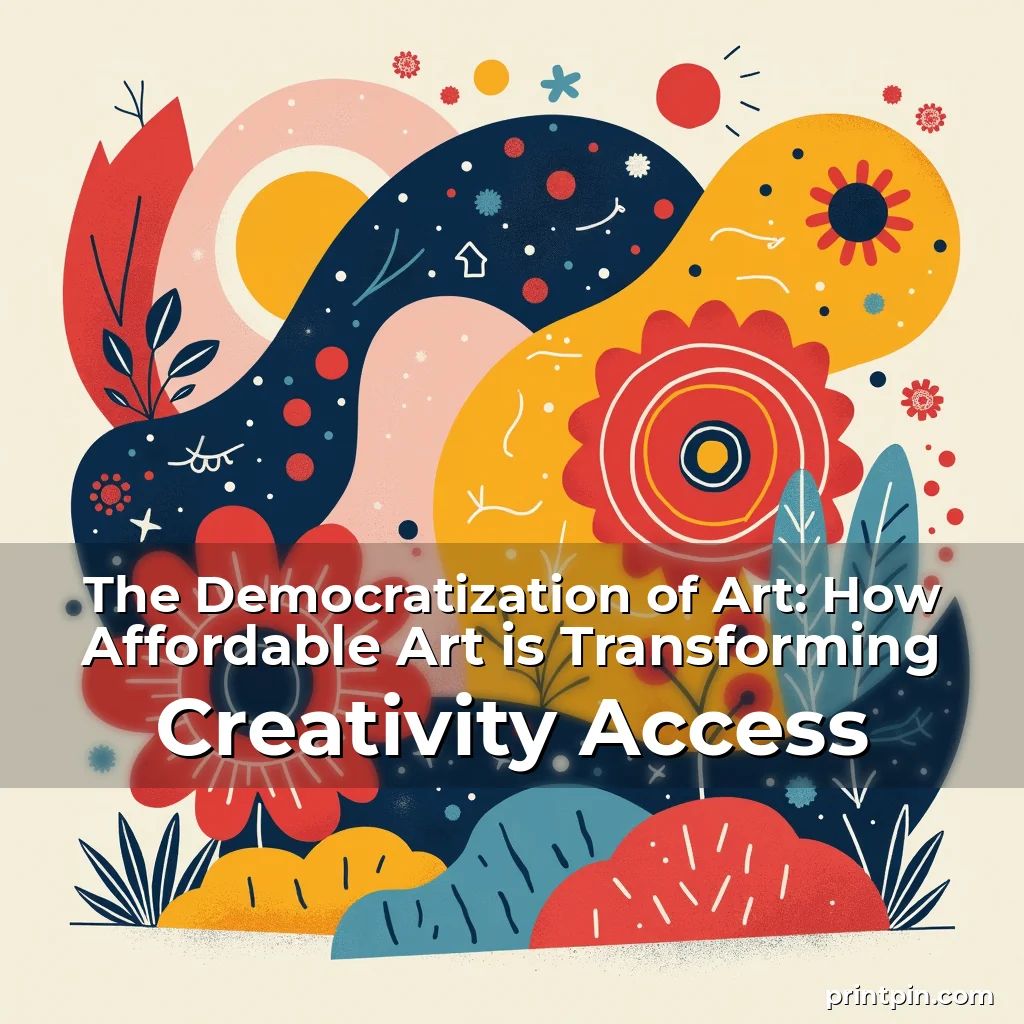
The Democratization of Art: How Affordable Art is Transforming Creativity Access
In an era where artistic expression has become increasingly intertwined with digital culture, affordable art has emerged as both a cultural phenomenon and a socioeconomic revolution. This movement challenges traditional notions of exclusivity that once confined fine art to galleries and elite collectors.
From independent artists selling prints online to emerging collectives curating pop-up exhibitions, accessible pricing models are redefining who gets to engage with visual storytelling. The result is a vibrant ecosystem where creativity thrives without financial barriers.
Redrawing Boundaries in Contemporary Art Markets
The contemporary art world has long been associated with high prices and exclusive access, but new platforms are dismantling these assumptions. Online marketplaces now connect buyers directly with creators through transparent pricing structures and global reach.
This shift empowers local talent by eliminating intermediaries while giving consumers direct control over their purchases. Artists can maintain greater creative autonomy when not bound by gallery commissions or auction house fees.
- Digital marketplaces: Platforms like Etsy and Saatchi Art have lowered entry barriers for emerging artists
- Pop-up galleries: Temporary exhibition spaces provide affordable options for experiencing original works
Financial Inclusion Through Creative Expression
Affordable art initiatives are playing a crucial role in promoting economic equity within creative industries. Community-based programs offer subsidized workshops that train underrepresented groups in various mediums.
These efforts create sustainable pathways for aspiring artists from diverse backgrounds. Local governments and non-profits often collaborate on grants supporting grassroots art movements.
Bridging Socioeconomic Divides
Studies show that communities with robust arts programming experience lower rates of social isolation. For instance, a 2022 report found that neighborhoods with affordable art spaces reported 38% higher civic engagement levels compared to similar areas lacking such resources.
Art education scholarships paired with mentorship programs further level the playing field. These combined approaches help dismantle systemic inequities limiting access to creative careers.
Evolving Aesthetics in Mass Market Art
As demand grows for accessible art forms, innovative trends are reshaping what constitutes “quality.” Mixed media techniques incorporating everyday materials challenge conventional definitions of value.
Street art murals funded by public-private partnerships demonstrate how urban environments can become living canvases for collective expression. These projects often involve local residents in the creation process.
Tech Innovations Driving Accessibility
Advancements in technology are fundamentally changing how we acquire and interact with art. Augmented reality features allow virtual tours of artwork collections before making physical commitments.
Blockchain authentication systems ensure provenance tracking while protecting against counterfeit reproductions. These tools build trust between buyers and sellers across different price points.
- NFTs: Digital certificates of ownership enable new revenue streams for artists
- AI curation: Algorithms recommend personalized art experiences based on viewing history
Sustainable Practices in Affordable Art Production
Environmental consciousness is shaping modern approaches to mass-produced art. Eco-friendly printing methods reduce waste while maintaining aesthetic quality standards.
Upcycling initiatives transform discarded materials into unique artworks. Many studios now prioritize biodegradable packaging solutions as part of their sustainability commitment.
Cultural Impact Beyond Individual Ownership
Affordable art’s influence extends beyond personal collections to shape broader societal values. Public installations often spark conversations about identity and belonging within communities.
Murals depicting historical narratives serve as educational tools that preserve heritage while fostering pride among younger generations. These pieces become shared symbols of collective memory.
Building Communities Around Shared Appreciation
Artist residencies focused on affordability foster cross-disciplinary collaboration between creatives from different fields. These programs encourage knowledge exchange that enriches everyone involved.
Online forums dedicated to budget-conscious collecting cultivate supportive networks where enthusiasts share expertise and discover new talents together.
Redefining Value Perceptions in Modern Collecting
The traditional hierarchy placing museum acquisitions above private collections is being challenged by growing interest in personal curation. People are valuing meaningful connections over status-driven accumulation.
Purchase decisions now consider emotional resonance alongside monetary worth. This paradigm shift validates diverse interpretations of artistic merit.
Education Initiatives Empowering Future Generators
Comprehensive art education programs are essential for sustaining the affordable art movement. Schools integrating multimedia instruction prepare students for evolving industry demands.
Workshops teaching digital portfolio development equip emerging artists with skills necessary for online presence and marketing strategies. Mentorship programs pair novices with established professionals.
Global Perspectives on Affordable Art Movements
Different regions approach accessibility differently based on cultural context and economic conditions. Scandinavian countries emphasize design aesthetics integrated into daily life through affordable decor.
Latin American nations leverage street art as political commentary while also developing thriving commercial markets for limited edition prints. Asian cities balance tradition with innovation through craft revival movements.
Fostering Long-Term Engagement With Visual Culture
Sustained participation requires continuous reinvention of formats and delivery mechanisms. Subscription services offering rotating selections keep audiences engaged month after month.
Interactive exhibits combining tactile elements with digital components create immersive experiences that appeal to varied learning styles. Gamification aspects increase retention rates significantly.
Challenges and Opportunities Ahead
While progress is evident, several hurdles remain in achieving universal access to quality art. Ensuring fair compensation for creators while keeping prices reasonable presents ongoing negotiations.
Scalability issues arise when expanding successful local models globally. Cultural sensitivity must be maintained during international collaborations to avoid appropriation concerns.
Conclusion
The rise of affordable art represents a seismic shift toward inclusivity in creative expression. It enables people from all walks of life to participate actively in shaping our visual landscape.
By embracing new technologies, sustainable practices, and innovative distribution channels, we’re creating a future where artistic appreciation knows no bounds. Continued investment in educational opportunities will solidify this transformation permanently.